Why Operating Room Lighting Is Critical for Modern Healthcare Facilities
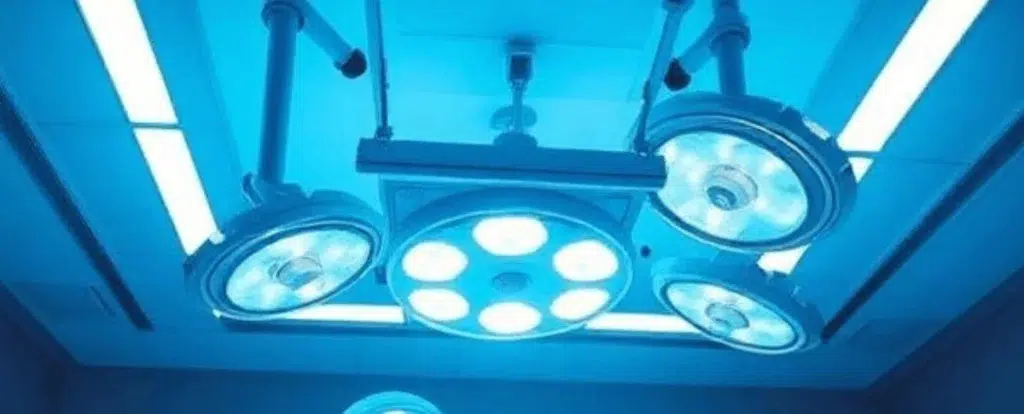
Operating rooms are among the most demanding environments in any healthcare facility. Every surgical procedure depends on accurate visual perception, precise colour recognition, shadow control, and consistent illumination. Even minor variations in lighting quality can affect surgical performance, increase eye fatigue, or reduce visibility during delicate procedures. As hospitals continue investing in advanced medical infrastructure, LED lighting has become the preferred solution for operating theatres because it combines superior optical performance with energy efficiency, reliability, and long-term cost savings.
Across hospitals in Dubai, Abu Dhabi, Sharjah, Al Ain, Ajman, Ras Al Khaimah, and Fujairah, healthcare providers are replacing older halogen and fluorescent systems with modern LED surgical lighting that meets international healthcare standards. These lighting systems are designed not only to illuminate the surgical field but also to support infection control, reduce maintenance requirements, improve staff comfort, and integrate with intelligent hospital building systems.
Selecting the correct LED lighting solution requires careful planning, professional lighting design, and an understanding of healthcare regulations. This guide explains the standards, best practices, and technical considerations that help hospitals create safer, more efficient operating environments.
Why Hospitals Are Replacing Conventional Surgical Lighting with LED Technology
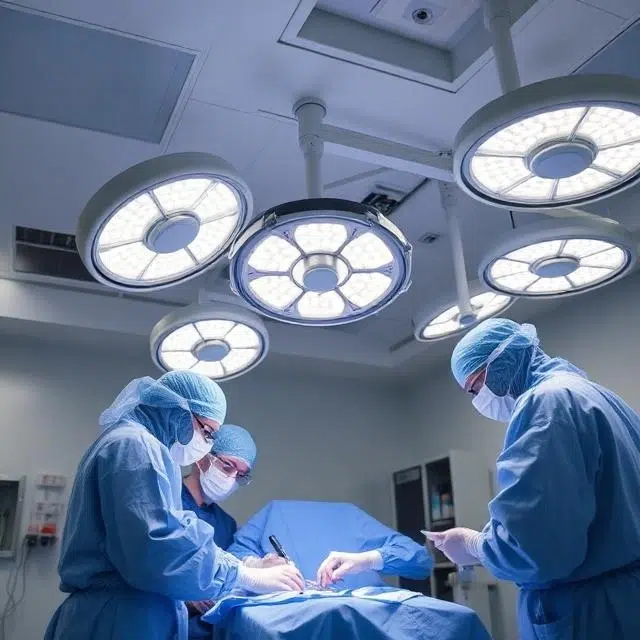
Traditional operating room lighting systems have served healthcare facilities for many years, but they often consume more electricity, generate excessive heat, and require frequent maintenance. Modern LED technology addresses these limitations while delivering significantly better lighting performance.
LED surgical luminaires provide high-intensity illumination with exceptional colour accuracy, allowing surgeons to distinguish tissues, blood vessels, and anatomical structures more clearly. Unlike conventional lamps, LEDs produce minimal radiant heat, helping maintain comfortable temperatures within sterile environments and reducing the thermal load on hospital HVAC systems.
Another important advantage is operational reliability. LED light sources offer substantially longer service life, reducing interruptions caused by lamp replacement and lowering maintenance costs for healthcare facilities operating around the clock. Hospitals also benefit from reduced energy consumption, making LED lighting an essential component of sustainable healthcare infrastructure.
For both public and private hospitals across the UAE, upgrading to LED technology represents an investment in patient safety, operational efficiency, and long-term facility performance.
Understanding the Lighting Requirements of an Operating Room
Operating rooms require far more than bright lighting. Every lighting system must support surgical precision while maintaining a comfortable working environment for the entire medical team. Proper illumination enables surgeons to perform complex procedures with confidence while reducing visual fatigue during lengthy operations.
Several key characteristics define high-quality operating room lighting:
- Uniform illumination across the surgical field
- Excellent colour rendering for accurate tissue recognition
- Minimal glare to protect visual comfort
- Effective shadow management
- Adjustable brightness levels
- Stable colour temperature
- Flicker-free operation
- Reliable emergency lighting support
These characteristics work together to improve visibility throughout every stage of a surgical procedure. Proper lighting also assists anaesthesiologists, nurses, technicians, and support staff who depend on consistent illumination to monitor equipment, prepare instruments, and respond quickly during surgery.
Because operating rooms accommodate different medical specialties, lighting systems should remain flexible enough to support general surgery, orthopaedics, cardiovascular procedures, neurosurgery, laparoscopic surgery, and minimally invasive operations.
Colour Rendering Index (CRI): Accurate Colour Recognition Saves Lives
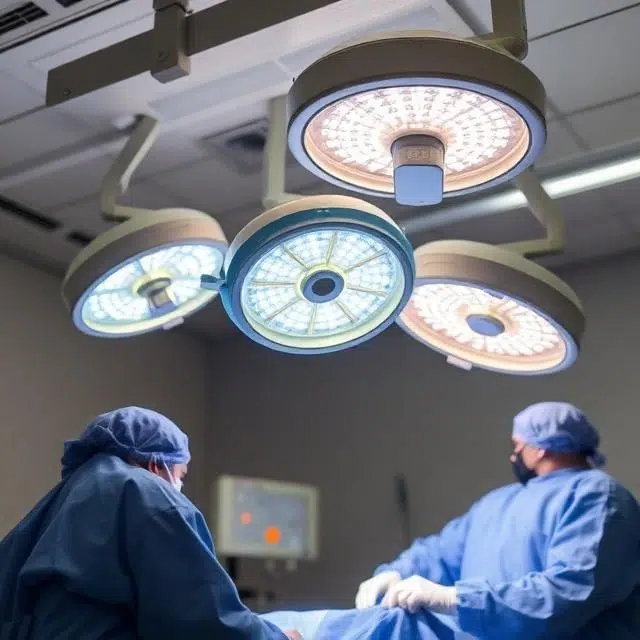
One of the most important performance indicators for operating room lighting is the Colour Rendering Index (CRI). CRI measures how accurately a light source reproduces colours when compared to natural daylight. In surgical environments, accurate colour recognition is critical because surgeons rely on subtle colour differences when identifying tissues, arteries, veins, organs, and signs of bleeding.
High-performance LED surgical lighting typically provides an excellent CRI, allowing medical professionals to distinguish anatomical structures with exceptional clarity. Better colour rendering improves diagnostic accuracy, supports surgical precision, and reduces the possibility of visual errors during complex procedures.
Poor colour rendering can make tissues appear unnatural, making it more difficult to identify critical structures. This is one reason why hospitals increasingly specify premium LED surgical luminaires rather than standard commercial lighting products.
Healthcare consultants, architects, biomedical engineers, and MEP designers carefully evaluate CRI when selecting lighting systems for new hospitals and operating theatre renovations throughout the UAE.
Colour Temperature and Visual Comfort in Surgical Environments
Colour temperature, measured in Kelvin (K), influences how light appears within an operating room. Choosing the appropriate colour temperature helps create comfortable working conditions while maintaining accurate visibility throughout surgical procedures.
Cool white lighting is commonly preferred because it provides crisp, clean illumination that supports concentration and enhances visual clarity. Modern LED surgical lights often allow adjustable colour temperatures, enabling healthcare professionals to optimise lighting conditions according to different procedures or personal preferences.
Stable colour temperature is equally important. Consistent illumination prevents changes in perceived colour throughout the operation, helping surgeons maintain visual accuracy from beginning to end.
Combined with high CRI and uniform illumination, carefully selected colour temperature contributes to better visual performance while reducing eye fatigue during long surgical procedures that may last several hours.
Shadow Management Improves Surgical Accuracy
One of the defining characteristics of professional surgical lighting is its ability to minimise shadows. During surgery, multiple members of the medical team work simultaneously around the patient. Surgeons, assistants, cameras, monitors, and medical equipment can all interrupt the light path, creating shadows that reduce visibility.
Modern LED surgical luminaires use multiple light modules positioned at different angles to produce overlapping beams. This multi-source illumination significantly reduces shadows even when several people are working within the sterile field.
Advanced shadow management improves visibility during:
- Cardiovascular surgery
- Neurosurgery
- Orthopaedic procedures
- Plastic surgery
- General surgery
- Robotic-assisted surgery
- Laparoscopic procedures
- Emergency trauma operations
Better shadow control helps surgeons maintain continuous visual access to the treatment area without constantly repositioning the lighting system.
Glare Control Protects Medical Staff During Long Procedures
Operating room personnel often spend many hours under surgical lighting every day. Excessive glare can cause discomfort, reduce concentration, and increase eye fatigue, particularly during lengthy procedures requiring intense focus.
Professional LED operating room lighting is designed with specialised optical systems that direct light precisely onto the surgical site while minimising glare reaching the eyes of surgeons and supporting staff.
Important glare-control features include:
- Precision optical lenses
- Diffused illumination
- Anti-glare reflectors
- Balanced beam distribution
- Adjustable light positioning
- Smooth dimming capability
Comfortable lighting improves concentration throughout surgery while helping medical professionals maintain high levels of performance during complex operations.
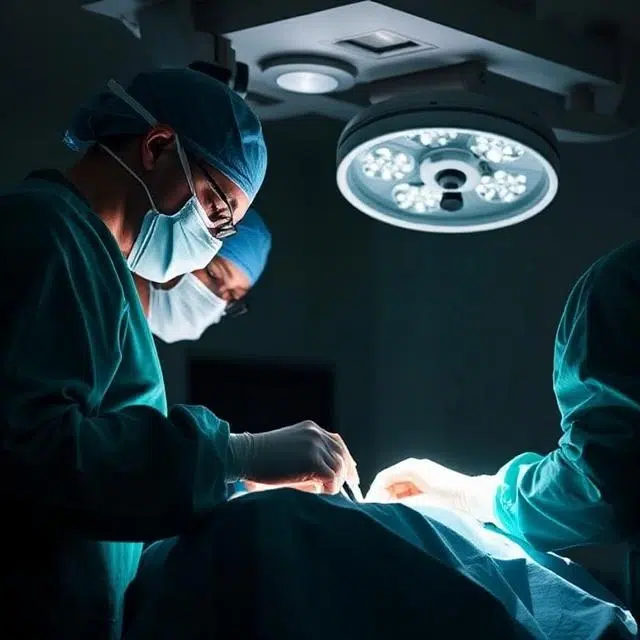
Infection Control Influences Lighting Design
Operating rooms are sterile environments where every component contributes to infection prevention. Lighting systems must therefore support strict hygiene protocols while integrating seamlessly with hospital ventilation systems.
Modern LED surgical lights are designed with smooth, sealed surfaces that resist dust accumulation and simplify cleaning. Their streamlined construction reduces areas where bacteria may collect and allows hospital cleaning teams to disinfect equipment efficiently between procedures.
Lighting equipment must also work alongside:
- Laminar airflow systems
- HEPA filtration
- Sterile ceiling installations
- Medical gas systems
- Ceiling-mounted equipment booms
- HVAC systems serving operating theatres
Because LEDs generate considerably less heat than older lighting technologies, they create less disturbance to controlled airflow patterns. Maintaining stable airflow helps reduce airborne contamination and supports infection prevention strategies within the operating room.
Healthcare architects and MEP consultants therefore evaluate lighting not only for visual performance but also for compatibility with sterile healthcare environments.
Energy Efficiency Without Compromising Clinical Performance
Hospitals operate continuously throughout the year, making energy efficiency an important consideration for facility managers. Lighting accounts for a significant portion of electricity consumption across operating suites, recovery rooms, intensive care units, diagnostic departments, and clinical spaces.
LED technology offers substantial energy savings while maintaining the high illumination levels required for surgical procedures. Lower power consumption helps hospitals reduce operating costs without sacrificing lighting quality or patient safety.
Additional benefits include:
- Reduced electrical load
- Lower cooling requirements
- Longer equipment lifespan
- Fewer lamp replacements
- Reduced maintenance interruptions
- Lower carbon emissions
- Improved sustainability performance
Hospitals pursuing green building certifications or implementing environmental sustainability programmes increasingly view LED lighting as an essential investment rather than simply an equipment upgrade.
The combination of energy efficiency, operational reliability, and excellent clinical performance makes LED technology the preferred lighting solution for modern healthcare facilities throughout the UAE and internationally.
Emergency Lighting and Backup Power Are Essential in Surgical Suites
Reliable lighting is non-negotiable during surgery. Even a brief interruption in illumination can compromise patient safety and disrupt delicate procedures. Every operating theatre should therefore include emergency lighting systems that activate immediately if the primary power supply fails.
Modern LED emergency lighting provides several advantages:
- Instant illumination without warm-up time
- Low power consumption
- Long battery backup duration
- High operational reliability
- Minimal maintenance requirements
- Continuous performance monitoring
Hospitals also integrate operating room lighting with emergency generators and uninterruptible power supply (UPS) systems to ensure continuous operation during electrical outages. Regular inspection and testing of emergency lighting should form part of every hospital’s preventive maintenance programme, ensuring compliance with healthcare regulations and readiness for unexpected events.
Professional Lighting Design Is Critical for Successful Operating Rooms
Selecting high-quality LED fixtures alone is not enough to achieve an effective operating room lighting system. Every healthcare facility has unique architectural layouts, ceiling heights, surgical specialities, ventilation systems, and equipment configurations that influence lighting performance.
Professional lighting design begins with a detailed assessment of the operating theatre, including:
- Room dimensions
- Ceiling-mounted medical equipment
- Surgical table position
- HVAC and laminar airflow layout
- Medical gas services
- Electrical infrastructure
- Emergency lighting requirements
- Future expansion needs
Lighting calculations are then performed to determine appropriate illumination levels, fixture placement, beam angles, and lighting uniformity. This engineering approach ensures the completed installation provides consistent performance while supporting clinical workflows and infection control requirements.
Hospitals developing new healthcare facilities in Dubai Healthcare City, Abu Dhabi, Sharjah, Al Ain, and other Emirates increasingly involve lighting consultants early in the project to optimise long-term operational performance.
Choosing the Right LED Lighting Supplier for Healthcare Projects
Healthcare lighting projects demand technical expertise that extends well beyond supplying lighting products. Hospitals require reliable partners capable of understanding clinical environments, engineering standards, and healthcare infrastructure while delivering complete lighting solutions.
A professional supplier should provide:
- Healthcare lighting consultation
- Operating theatre lighting design
- Lighting calculations and simulations
- High-performance LED surgical luminaires
- Medical-grade lighting products
- Smart lighting controls
- Installation support
- Testing and commissioning
- Warranty services
- Long-term technical assistance
Hospitals and healthcare consultants seeking dependable solutions often work with an experienced LED Lighting Supplier for Operating Rooms that understands the specialised requirements of surgical environments and can recommend products specifically designed for operating theatres, procedure rooms, intensive care units, recovery areas, laboratories, and other critical healthcare spaces.
Partnering with a knowledgeable supplier helps ensure every lighting system delivers clinical performance, energy efficiency, reliability, and long-term value.
Future Trends in Operating Room LED Lighting
Medical technology continues to evolve rapidly, and operating room lighting is advancing alongside it. Future LED lighting systems are expected to become even more intelligent, efficient, and responsive to the changing needs of modern healthcare facilities.
Emerging innovations include:
- Human-centric lighting that supports staff wellbeing during long surgical shifts.
- Adaptive lighting systems capable of automatically adjusting illumination according to procedure type.
- Artificial intelligence-assisted lighting management.
- Internet of Things (IoT) integration with hospital infrastructure.
- Wireless lighting controls for simplified upgrades.
- Enhanced colour rendering technologies for greater surgical precision.
- Predictive maintenance using real-time performance analytics.
- Increased compatibility with robotic-assisted surgery and digital operating rooms.
These developments will further improve patient safety, operational efficiency, and clinical performance while supporting the growing adoption of smart healthcare facilities across the UAE and internationally.
Conclusion
LED lighting has transformed the modern operating room by providing superior illumination, outstanding colour accuracy, reduced energy consumption, and long-term operational reliability. Unlike conventional lighting technologies, LED surgical systems support precise medical procedures through excellent shadow management, glare control, consistent colour temperature, and high Colour Rendering Index (CRI), enabling surgeons to perform with greater confidence and accuracy.
As hospitals across Dubai, Abu Dhabi, Sharjah, Ajman, Ras Al Khaimah, Fujairah, and Al Ain continue investing in advanced healthcare infrastructure, professionally designed LED lighting systems are becoming an essential part of operating theatre development. When combined with intelligent controls, emergency backup systems, infection-control considerations, and expert lighting design, modern LED solutions create safer, more efficient surgical environments for patients and healthcare professionals alike.
By selecting high-quality medical-grade lighting and partnering with experienced specialists, healthcare facilities can build operating rooms that meet today’s clinical demands while remaining adaptable for future advances in surgical technology.