Lighting the Working Spaces of Commercial Buildings
Behind the public faces of hotels, restaurants, and commercial buildings lie the working spaces that keep them operating: commercial kitchens, preparation areas, technical workspaces, and back of house facilities. These environments place specific demands on lighting, high illuminance for safe and accurate work, hygienic construction for food environments, and durable performance under intensive use. LED linear lighting meets these demands, delivering the functional illumination these working spaces require across the UAE.
This guide examines LED linear lighting for commercial kitchens, hospitality back of house, and technical workspaces, written for the developers, operators, and consultants who specify lighting for the working environments that support commercial and hospitality operations across the Emirates.
The Demands of Commercial Kitchens
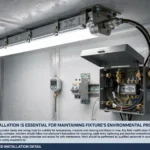
Commercial kitchens are demanding lighting environments, requiring high illuminance for the safe handling of food and sharp equipment, hygienic fixtures that resist contamination and withstand cleaning, and durable construction that endures heat, steam, and grease. The lighting must support safe, accurate food preparation while meeting the hygiene standards that food environments demand. Ordinary fixtures cannot meet these combined requirements.
Specifying lighting for commercial kitchens requires fixtures with appropriate illuminance, hygienic sealed construction, and the durability to endure the kitchen environment. IP rated linear fixtures with smooth, cleanable surfaces meet these demands, delivering the high quality illumination that safe food preparation requires while satisfying the hygiene standards of the commercial kitchen across UAE hospitality operations.
Hygiene and Food Safety Compliance
Food environments are subject to hygiene standards that the lighting must support, with fixtures that resist contamination, withstand cleaning, and do not harbour dirt or pests. Sealed fixtures with smooth surfaces, free of crevices that trap contaminants, meet these requirements, contributing to the hygiene of the food environment. The lighting is part of the hygienic design that food safety demands.
Specifying hygienic linear fixtures for food environments supports compliance with the food safety standards that hospitality operations must meet. Sealed, cleanable fixtures that resist contamination contribute to the hygienic environment, supporting the food safety on which hospitality operations depend and the compliance that authorities require across UAE food businesses.
Hospitality Back of House Operations
Beyond the kitchen, hospitality developments contain extensive back of house areas, preparation rooms, stores, laundries, service corridors, and staff facilities, that require reliable, efficient lighting. These working spaces support the hospitality operation, and their lighting must deliver functional illumination reliably and economically across the long operating hours of hospitality. Quality linear lighting serves these back of house spaces effectively.
Specifying lighting for hospitality back of house balances functional illumination against efficiency and durability, with fixtures that light the working spaces adequately and endure the intensive use. Reliable, efficient linear lighting supports the back of house operations that underpin the hospitality experience, illuminating the working spaces that keep the operation running, complemented by LED batten lights for service areas.
Technical and Laboratory Workspaces
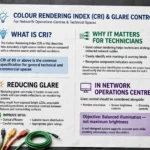
Technical workspaces, laboratories, workshops, quality control areas, and design studios, require high illuminance and excellent colour rendering for precise, accurate work. These environments demand lighting that supports detailed visual tasks, with the illuminance and colour quality that precision work requires. LED linear lighting delivers the high quality functional illumination that technical workspaces require across commercial and institutional facilities.
Specifying lighting for technical workspaces prioritises high illuminance, excellent colour rendering, and glare control, supporting the precise, accurate work these environments demand. Quality linear lighting delivering these characteristics supports the precision and safety of technical work, illuminating the workspaces where accuracy and detail matter across the UAE built environment.
Durability Under Intensive Use
The working spaces of commercial buildings subject their lighting to intensive use, with long operating hours, cleaning, heat, and physical demands testing the fixtures. The lighting must endure this intensive use, delivering reliable performance without the frequent failures that disrupt operations. Durable, quality linear fixtures withstand the demands of these working environments, delivering the reliability that operations require.
Specifying durable linear lighting for working spaces ensures it endures the intensive use these environments impose, delivering reliable performance across its life. The durability of the lighting is essential to the operations it supports, avoiding the disruption and cost of failures in the working spaces that keep commercial and hospitality operations running.
Emergency and Safety Lighting
The working spaces of commercial buildings require emergency and safety lighting to ensure safe evacuation and operation in the event of power failure. Emergency fixtures maintain illumination along escape routes and across critical working areas when the mains fails, supporting safe evacuation. For kitchens and technical spaces with hazards, this emergency provision is an important safety measure.
Specifying appropriate emergency lighting for working spaces satisfies safety requirements and protects the workers in these environments. Coordinating the emergency provision, identifying the escape routes and critical areas requiring maintained illumination, ensures the working spaces meet their safety obligations across the commercial and hospitality development.
Matching Fixtures to Each Working Environment
The working spaces of a commercial building vary, and the lighting should match each environment. Kitchens require hygienic, IP rated fixtures; technical spaces require high illuminance and colour rendering; back of house areas require reliable, efficient general lighting. Matching the fixtures to each working environment ensures the lighting serves each space appropriately across the diverse working areas of the development.
Specifying fixtures matched to each working environment, rather than applying a single specification throughout, ensures the lighting suits the demands of each space. This matching, understanding the requirements of each working environment and specifying accordingly, delivers lighting that serves the diverse working spaces effectively across the commercial and hospitality building.
Maintenance in Working Environments
The working spaces of commercial buildings benefit from lighting that minimises maintenance, given the disruption that maintenance causes to operations. Long life, reliable fixtures minimise the interventions that maintenance requires, reducing the disruption to the working operations. Quality linear lighting that operates reliably for years suits these environments, supporting continuous operation with minimal maintenance disruption.
Specifying durable, low maintenance linear lighting for working spaces reduces the disruption that maintenance causes to operations. The reliability of quality fixtures, delivering years of service without intervention, suits the working environments where maintenance disrupts operations, supporting the continuous operation that commercial and hospitality businesses require.
Working Space Lighting From Tricircle
Delivering lighting for the working spaces of commercial and hospitality buildings requires fixtures suited to these demanding environments and a supplier who understands them. As an authorised OPPLE distributor, Tricircle supplies linear and functional lighting for kitchens, back of house, and technical workspaces across the UAE.
To discuss lighting for the working spaces of your commercial or hospitality development, contact our team at aysha@tricirclegroup.ae or call +971 50 578 1325. We supply functional lighting in project quantities across Dubai, Sharjah, Abu Dhabi, and the wider Emirates.
Emergency and Safety Lighting
The working spaces of commercial buildings require emergency and safety lighting to ensure safe evacuation and operation in the event of power failure. Emergency fixtures maintain illumination along escape routes and across critical working areas when the mains fails, supporting safe evacuation. For kitchens and technical spaces with hazards, this emergency provision is an important safety measure that protects workers.
Specifying appropriate emergency lighting for working spaces satisfies safety requirements and protects the workers in these environments. Coordinating the emergency provision, identifying the escape routes and critical areas requiring maintained illumination, ensures the working spaces meet their safety obligations across the commercial and hospitality development.
Matching Fixtures to Each Working Environment
The working spaces of a commercial building vary, and the lighting should match each environment. Kitchens require hygienic, IP rated fixtures; technical spaces require high illuminance and colour rendering; back of house areas require reliable, efficient general lighting. Matching the fixtures to each environment ensures the lighting serves each space appropriately across the diverse working areas of the development.
Specifying fixtures matched to each working environment, rather than applying a single specification throughout, ensures the lighting suits the demands of each space. This matching, understanding the requirements and specifying accordingly, delivers lighting that serves the diverse working spaces effectively across the commercial and hospitality building.
Maintenance in Working Environments
The working spaces of commercial buildings benefit from lighting that minimises maintenance, given the disruption that maintenance causes to operations. Long life, reliable fixtures minimise the interventions that maintenance requires, reducing disruption to working operations. Quality linear lighting that operates reliably for years suits these environments, supporting continuous operation with minimal maintenance disruption.
Specifying durable, low maintenance linear lighting for working spaces reduces the disruption that maintenance causes. The reliability of quality fixtures, delivering years of service without intervention, suits the working environments where maintenance disrupts operations, supporting the continuous operation that commercial and hospitality businesses require across the UAE.
Working Space Lighting From Tricircle
Delivering lighting for the working spaces of commercial and hospitality buildings requires fixtures suited to these demanding environments and a supplier who understands them. As an authorised OPPLE distributor, Tricircle supplies linear and functional lighting for kitchens, back of house, and technical workspaces across the UAE.
To discuss lighting for the working spaces of your commercial or hospitality development, contact our team at aysha@tricirclegroup.ae or call +971 50 578 1325. We supply functional lighting in project quantities across Dubai, Sharjah, Abu Dhabi, and the wider Emirates.
Efficiency Across Long Operating Hours
Working spaces often operate long hours, making the efficiency of their lighting an important operating cost consideration. Commercial kitchens, back of house areas, and technical workspaces may be lit for the full operating day, and the efficiency of the fixtures determines the energy cost. Efficient linear lighting reduces this cost, delivering the functional illumination these spaces require economically.
Specifying efficient linear lighting for working spaces controls the energy cost of lighting them across their long operating hours. The efficiency of quality LED linear lighting reduces the running cost while delivering the functional illumination these working environments require, an important economy across the extensive working spaces of commercial and hospitality developments.