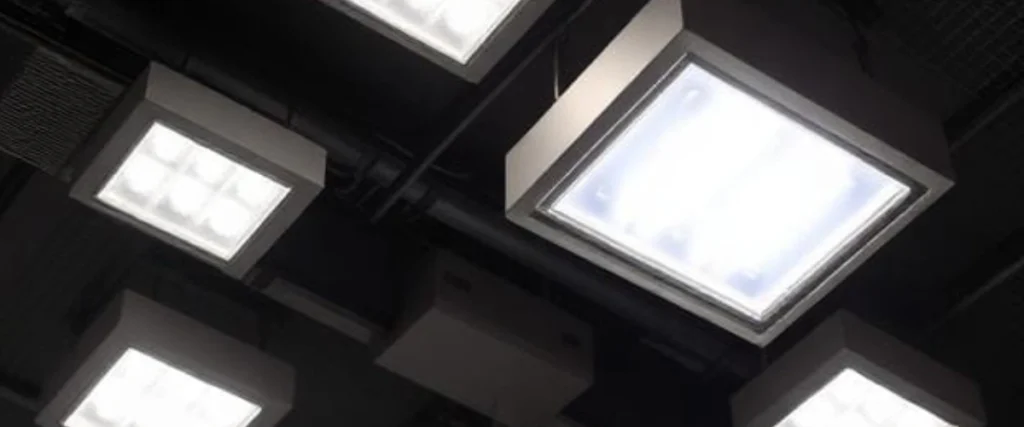
Emergency Lighting as a Life Safety System
Emergency lighting is a life safety system, not an optional feature, and its provision is mandated by the fire and life safety regulations that govern commercial buildings across the UAE. For developers, MEP consultants, and facility managers, the emergency lighting carries direct safety and compliance obligations that must be satisfied for the building to gain approval and operate. This guide examines LED emergency lighting for commercial buildings and the UAE fire safety compliance it must satisfy.
It covers the regulatory requirements, the system types, and the specification of emergency lighting, supporting the professionals responsible for the life safety lighting that protects the occupants of commercial buildings across the Emirates.
UAE Regulatory Requirements
The UAE fire and life safety regulations, administered through the civil defence authorities, require maintained emergency lighting along the escape routes of commercial buildings. The lighting must provide minimum illumination along the routes for a specified duration following power failure, guiding occupants to safety. Commercial buildings must demonstrate compliant emergency lighting to gain the occupancy certificate the building requires.
For developers and consultants, the regulatory requirement for emergency lighting is a fundamental obligation. The maintained illumination along escape routes, required by the civil defence authorities, must be provided and demonstrated for the building to gain occupancy, making compliant emergency lighting an essential element of the commercial development across the UAE.
Maintained and Non-Maintained Systems
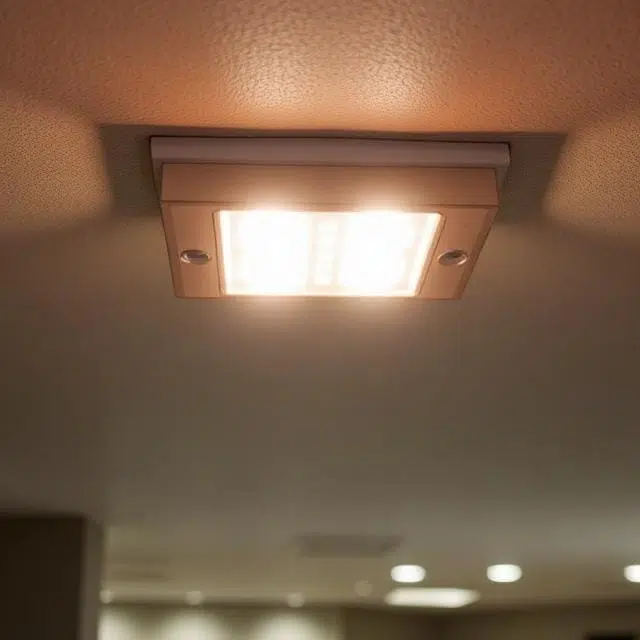
Emergency lighting systems are maintained, operating continuously and switching to battery on power failure, or non maintained, illuminating only on power failure. UAE commercial buildings typically require maintained emergency lighting along escape routes in occupied areas, with non maintained acceptable in infrequently occupied spaces. The system type must be specified to suit the area and the regulatory requirement.
Specifying the emergency lighting system type to suit each area satisfies the regulatory requirement. The maintained system for continuously occupied escape routes and the non maintained system for infrequently occupied areas each suit their applications, specified to meet the civil defence requirement across the commercial building in the UAE.
Self-Contained and Central Battery Systems
Emergency lighting uses self contained luminaires with integral batteries, or central battery systems supplying multiple luminaires. Self contained systems offer simple installation and zone independence, while central battery systems ease maintenance across large buildings. The choice between them depends on the building scale and the maintenance approach, with large commercial buildings often favouring central battery systems.
Specifying the emergency battery approach to suit the building balances installation and maintenance considerations. The self contained luminaires for simplicity and the central battery system for maintenance efficiency each suit their applications, with the choice depending on the building scale and management, across the commercial buildings of the UAE, integrated with LED panel lights for commercial escape routes.
Escape Route Illumination
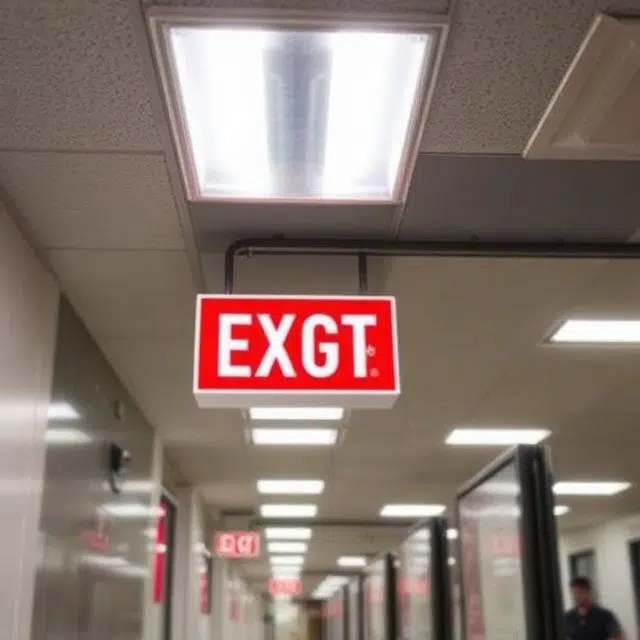
The primary function of emergency lighting is to illuminate the escape routes, guiding occupants safely out of the building on power failure. The lighting must provide minimum illumination along the routes, at the changes of direction, and at the exits, ensuring occupants can navigate to safety. Specifying the emergency lighting to illuminate the escape routes adequately satisfies this essential life safety function.
Specifying emergency lighting for adequate escape route illumination satisfies the essential life safety function. The lighting that illuminates the routes, the changes of direction, and the exits guides occupants safely out, meeting the requirement that protects the occupants, an essential provision across the commercial building in the UAE.
Exit Signs and Wayfinding
Illuminated exit signs guide occupants to the exits, an essential element of the emergency lighting system. LED exit signs with battery backup provide the energy efficient, reliable wayfinding that the escape routes require, directing occupants to the nearest exits. Specifying compliant illuminated exit signs, meeting the civil defence requirements, completes the wayfinding the escape routes require for safe evacuation.
Specifying illuminated LED exit signs delivers the wayfinding that safe evacuation requires. The efficient, reliable signs that direct occupants to the exits, meeting the civil defence requirements, guide the evacuation, an essential element of the emergency lighting system that completes the escape route provision across the commercial building in the UAE.
Duration and Performance
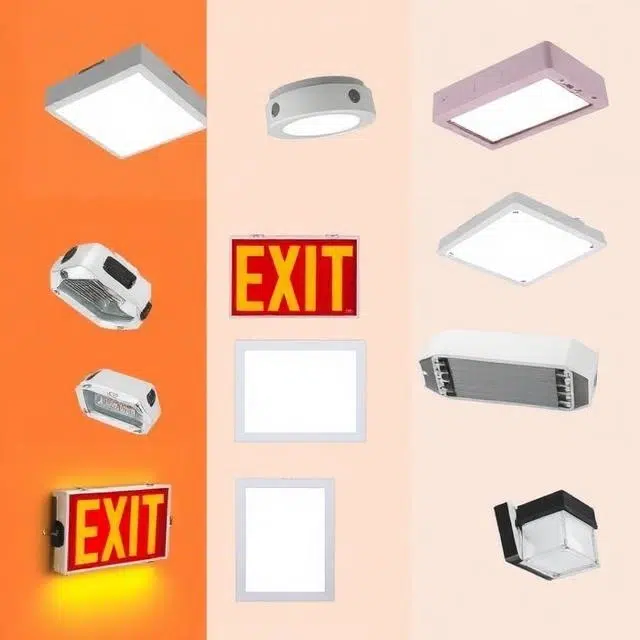
Emergency lighting must maintain illumination for a specified duration following power failure, typically a minimum period sufficient for evacuation. The battery systems must deliver this duration reliably, maintaining the illumination across the required period. Specifying emergency lighting with reliable batteries delivering the required duration ensures the system performs when needed, maintaining the illumination across the evacuation period.
Specifying emergency lighting with reliable batteries delivering the required duration ensures the system performs when needed. The illumination maintained across the required period supports the evacuation, meeting the performance the regulations require, an essential characteristic of the emergency lighting that protects the occupants across the commercial building.
Testing and Maintenance Compliance
UAE regulations require periodic testing and maintenance of emergency lighting, monthly function tests and annual discharge tests, documented to satisfy civil defence inspection. This testing verifies the system will perform when needed, and the documentation evidences the compliance. Facility managers must maintain the testing programme and documentation to satisfy the ongoing compliance the emergency lighting requires.
Maintaining the emergency lighting testing and documentation satisfies the ongoing compliance the regulations require. The periodic tests that verify the system, and the documentation that evidences the compliance, must be maintained by the facility manager, an ongoing obligation that sustains the life safety performance and compliance of the emergency lighting across the building life in the UAE.
Integration With Building Lighting
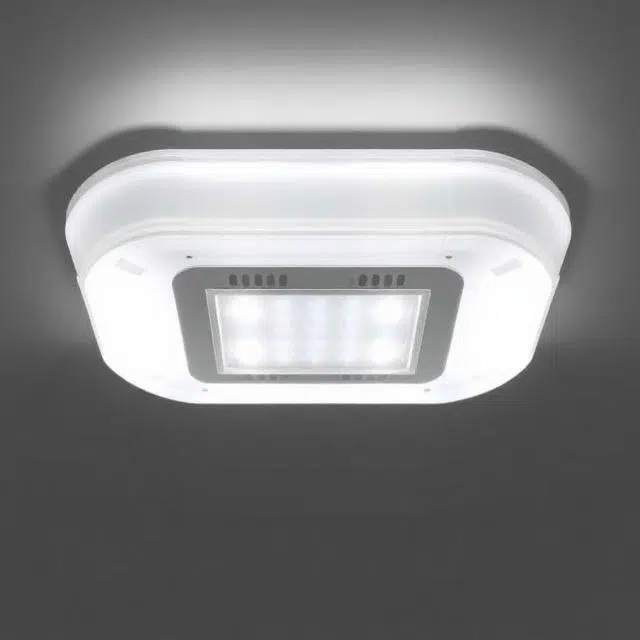
Emergency lighting integrates with the general building lighting, with emergency fixtures often serving as normal lighting that switches to battery on failure. This integration delivers the emergency function within the general lighting scheme, maintaining the appearance while providing the life safety function. Specifying integrated emergency lighting delivers the function cleanly within the building lighting scheme.
Specifying emergency lighting integrated with the general lighting delivers the life safety function within the building scheme. The emergency fixtures that serve as normal lighting and switch to battery on failure provide the function while maintaining the appearance, delivering the emergency provision cleanly within the lighting scheme across the commercial building.
Healthcare and Critical Facilities
Healthcare and critical facilities have particular emergency lighting requirements, with critical areas requiring maintained illumination to support continued operation during power failure. The emergency lighting of these facilities must support not only evacuation but the continued function of critical areas, a more demanding requirement. Specifying emergency lighting for these facilities addresses their particular critical requirements.
Specifying emergency lighting for healthcare and critical facilities addresses their particular requirements. The maintained illumination of critical areas, supporting continued operation as well as evacuation, meets the demanding requirements of these facilities, an important consideration in the emergency lighting of healthcare and critical buildings across the UAE.
Quality and Reliability of Emergency Systems
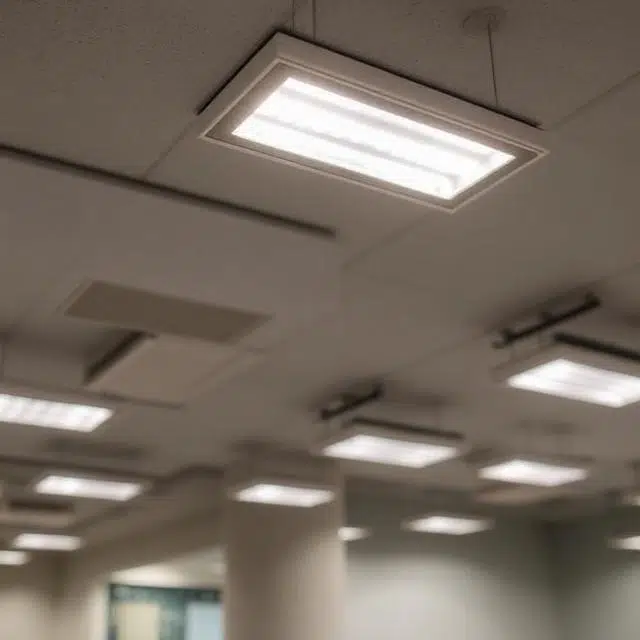
The reliability of the emergency lighting is critical, as it must perform when needed in an emergency. Quality emergency fixtures and reliable batteries deliver the dependable performance that the life safety function requires, while inferior products risk failure when needed. Specifying quality emergency lighting with reliable batteries ensures the dependable performance the life safety function requires across the building.
Specifying quality, reliable emergency lighting ensures the dependable performance the life safety function requires. The quality fixtures and reliable batteries that perform when needed protect the occupants, while inferior products risk failure, making quality and reliability essential considerations in the emergency lighting that protects the commercial building occupants in the UAE.
Coordinating Emergency Provision
The emergency lighting must be coordinated across the building, identifying the escape routes and critical areas requiring provision and specifying the appropriate emergency lighting for each. This coordination, addressing the emergency provision across the building at design stage, ensures the complete, compliant emergency lighting the building requires. Specifying the coordinated emergency provision delivers the compliant life safety lighting across the building.
Coordinating the emergency lighting across the building delivers the complete, compliant provision the building requires. The identification of the escape routes and critical areas, and the specification of the appropriate emergency lighting for each, delivers the compliant life safety lighting, addressed at design stage across the commercial building in the UAE.
Emergency Lighting Supply From Tricircle
Delivering compliant emergency lighting for commercial buildings requires quality products meeting the civil defence requirements and knowledgeable support. As an authorised OPPLE distributor, Tricircle supplies emergency lighting and emergency rated fixtures across UAE commercial buildings, supporting developers and consultants in delivering the compliant life safety lighting their projects require.
To discuss emergency lighting for your commercial building, contact our team at aysha@tricirclegroup.ae or call +971 50 578 1325. We supply emergency LED lighting in project quantities across Dubai, Sharjah, Abu Dhabi, and the wider Emirates.