Security infrastructure is a mandatory element of every commercial, hospitality, and institutional development in the UAE, required by regulatory authorities and demanded by commercial tenants, hotel operators, and institutional users alike. This guide covers CCTV and alarm system requirements across UAE commercial developments, helping property developers, MEP consultants, and facility managers understand specification requirements, authority compliance, and system design principles for commercial security installations.
SIRA Compliance for UAE Commercial Developments
All CCTV systems installed in Dubai commercial developments must comply with SIRA (Security Industry Regulatory Agency) requirements, specifying minimum camera resolution, coverage standards, footage retention periods, and system documentation requirements. Non-compliant CCTV installations can delay certificate of occupancy issuance for commercial developments. Tricircle provides full SIRA compliance documentation for all commercial CCTV installations, ensuring developer projects meet authority requirements without delays to occupancy timelines.
CCTV System Design for Commercial Towers
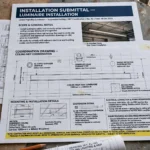
Commercial tower developers require CCTV coverage across all building zones, lobbies, car parks, service areas, plant rooms, roof levels, and external perimeters. System design for multi-floor commercial developments requires careful consideration of camera placement, network infrastructure, storage capacity for footage retention, and integration with access control and building management systems. Our security team provides full CCTV system design drawings for development authority submissions.

Intruder Alarm Systems for Commercial Properties
Commercial building developers and operators require intruder detection systems that protect after-hours business premises while integrating with building management and monitored alarm receiving centre services. Our commercial alarm systems use grade 3 detection components appropriate for high-risk commercial environments, with control panels supporting connection to central monitoring stations for 24/7 security response across UAE commercial developments.
Hotel & Hospitality Security Systems
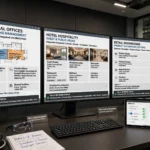
Hotel developers face unique security requirements that balance comprehensive protection with guest experience quality. Discreet camera placement in public areas, robust coverage of service and back-of-house zones, and integration with room electronic lock systems are all required elements of hotel security specifications. Our hospitality security systems provide complete coverage without compromising the open, welcoming atmosphere that defines premium hotel environments. See our full CCTV installation services for commercial projects for hotel development solutions.
Commercial & Shopping Centre Security
Mall developers and commercial operators require high-density CCTV coverage across trading floors, entrance areas, car parks, and service zones. Our commercial security systems include wide-angle fisheye cameras for floor area coverage, PTZ cameras for active monitoring of high-value areas, and analytics-enabled cameras that provide footfall counting and dwell time data for commercial performance management alongside their security function.

Industrial Facility Security
Warehouse and industrial facility developers across UAE free zones require perimeter security systems that monitor large external areas in all light conditions. Our outdoor PTZ cameras with thermal imaging options provide comprehensive industrial perimeter surveillance across Jebel Ali, Dubai Industrial City, and Sharjah Industrial Area facilities.
Contact aysha@tricirclegroup.ae to discuss security system requirements for your commercial development. Our team provides system design, supply, installation, and SIRA compliance documentation for commercial projects across UAE.