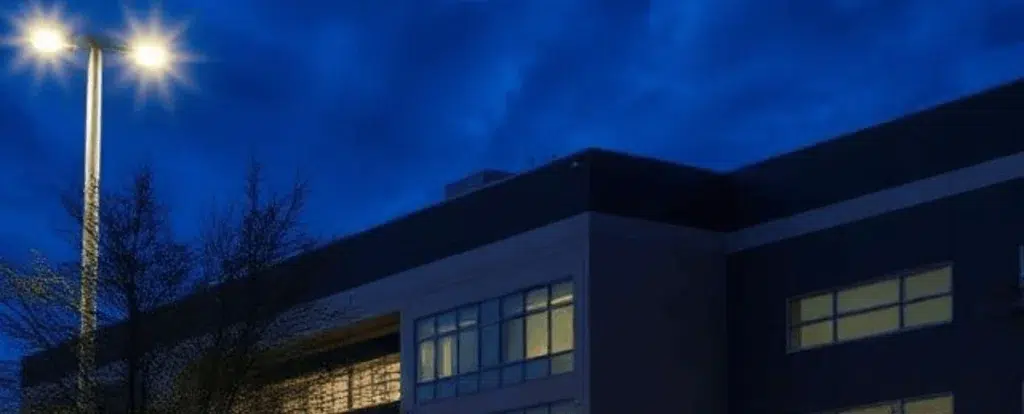
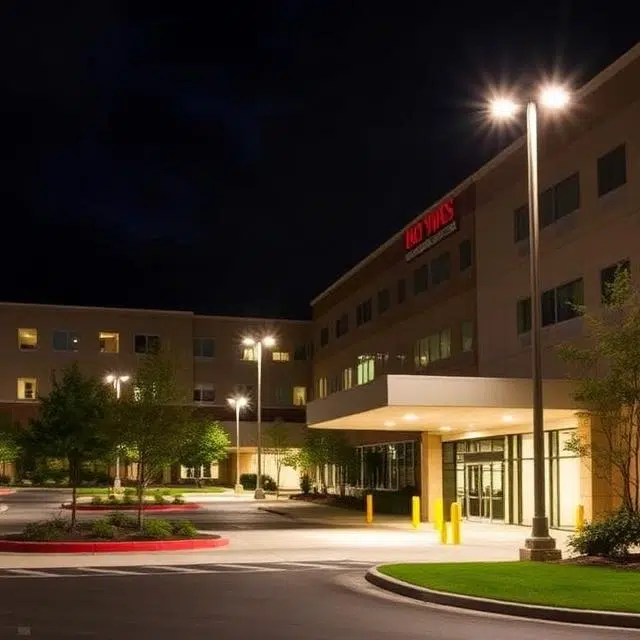
Hospital parking areas operate around the clock, making reliable outdoor lighting an essential part of healthcare infrastructure. Patients, visitors, medical staff, ambulance drivers, and emergency responders depend on well-lit parking lots to move safely at any hour. Choosing the right LED flood lights is not only about improving visibility but also about enhancing security, reducing energy consumption, and creating a welcoming environment for everyone entering the facility.
Across the United Arab Emirates, hospitals in Dubai, Abu Dhabi, Sharjah, Ajman, Ras Al Khaimah, Fujairah, Al Ain, and Umm Al Quwain are increasingly replacing conventional outdoor lighting with energy-efficient LED flood lights. Modern LED technology provides brighter illumination, lower maintenance costs, longer service life, and better performance during harsh weather conditions, making it the preferred choice for healthcare facilities.
This guide explains how to choose the best LED flood lights for hospital parking areas while covering lighting standards, energy efficiency, safety considerations, installation requirements, and long-term operational benefits.
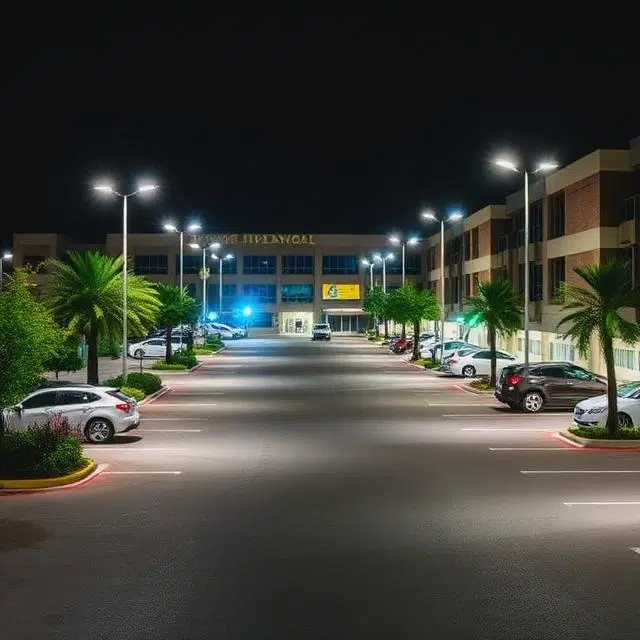
Why Hospital Parking Lot Lighting Matters
Hospital parking areas are unlike ordinary commercial parking lots. They operate continuously, receive emergency vehicles throughout the day and night, and serve people of all ages, including elderly patients and individuals with limited mobility.
Proper lighting minimizes accidents, improves visibility, and helps visitors locate entrances, emergency departments, payment stations, and pedestrian walkways. Well-designed lighting also reduces dark zones that may compromise security or increase the risk of criminal activity.
For healthcare facilities, outdoor lighting directly contributes to patient safety and operational efficiency.
The Growing Importance of LED Flood Lights
Traditional metal halide and high-pressure sodium fixtures consume significant amounts of electricity while providing inconsistent illumination. LED flood lights have transformed outdoor lighting by delivering higher brightness with considerably lower energy consumption.
Modern LED luminaires provide instant illumination without warm-up time and maintain consistent light output throughout their lifespan. Their durability makes them ideal for hospitals where uninterrupted lighting is essential every day of the year.
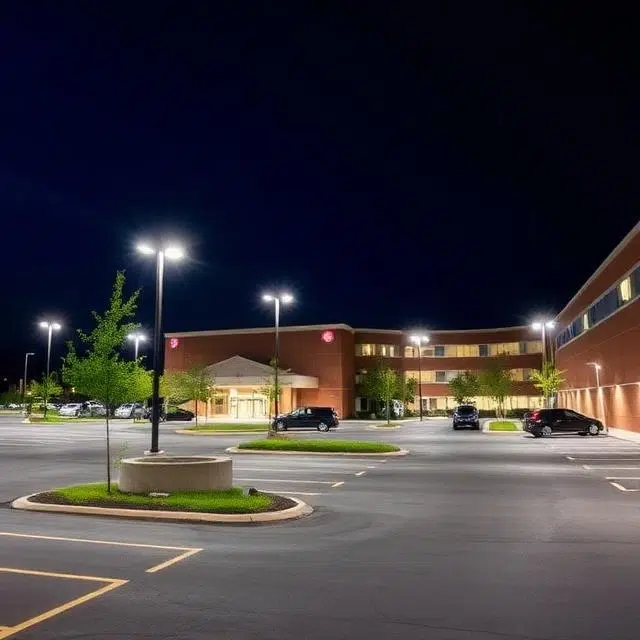
Benefits of LED Flood Lights for Healthcare Facilities
LED flood lighting offers several advantages that directly benefit hospitals and medical campuses.
Lower electricity consumption significantly reduces operating costs while supporting sustainability initiatives. Longer product life minimizes maintenance interruptions, allowing facility management teams to focus on other essential operations.
Uniform lighting distribution improves visibility across parking areas, reducing shadows that can hide obstacles or create safety concerns.
High-quality LED optics also improve CCTV image quality, making surveillance systems more effective during nighttime operation.
Safety Is the Highest Priority
Patient safety begins long before someone enters the hospital building. Parking areas should provide a safe environment for drivers, pedestrians, wheelchair users, and emergency responders.
Adequate lighting allows drivers to recognize directional signs, pedestrian crossings, speed bumps, and parking lane markings. Visitors carrying children or assisting elderly family members can move more confidently through properly illuminated parking lots.
Emergency ambulance access routes also require consistent illumination to ensure rapid and safe vehicle movement.
Understanding Illumination Requirements
Selecting the correct brightness is one of the most important aspects of hospital lighting design.
Lighting professionals measure illumination using lux, which indicates how much light reaches a surface. Parking spaces generally require moderate illumination, while emergency entrances, ambulance bays, and pedestrian crossings require higher lighting levels.
Uniform lighting is equally important because excessive contrast between bright and dark areas reduces visibility and increases eye strain.
Professional lighting calculations ensure every section of the parking area receives appropriate illumination without unnecessary energy consumption.
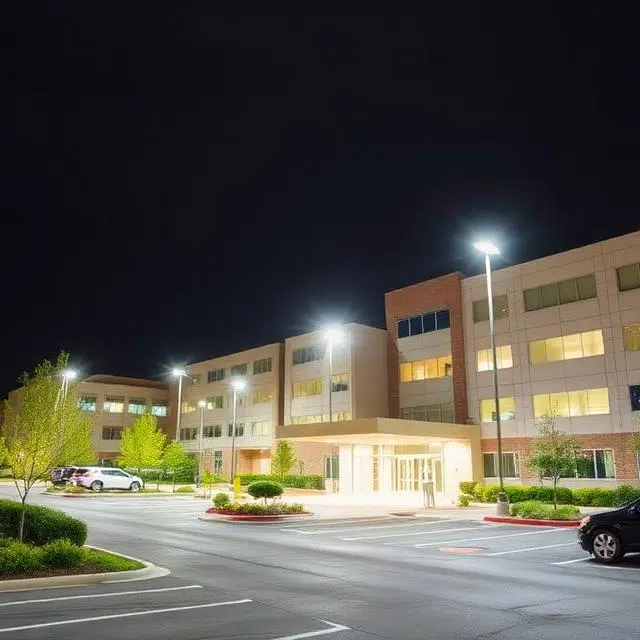
Choosing the Correct Lumen Output
Lumen output determines the total amount of visible light produced by an LED flood light.
Small parking areas may require lower-output fixtures, while large hospital campuses often need high-performance luminaires capable of illuminating wide open spaces.
Rather than selecting the highest lumen rating available, lighting designers evaluate mounting height, beam angle, pole spacing, and coverage area to achieve balanced illumination across the entire parking facility.
Beam Angle Plays an Important Role
LED flood lights are available with different beam angles that affect how light spreads across an area.
Narrow beam angles concentrate light over longer distances, making them suitable for entrance gates and access roads.
Medium beam angles work well for standard parking rows.
Wide beam distributions provide broad illumination for open parking lots and pedestrian gathering areas.
Choosing the correct beam pattern reduces dark spots while minimizing unnecessary light spill into surrounding residential neighborhoods.
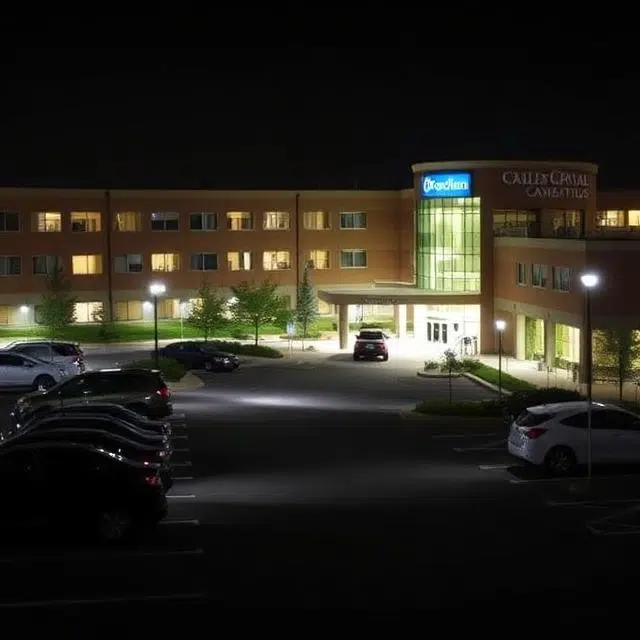
Selecting the Right Color Temperature
Color temperature influences how people perceive outdoor environments.
Most hospital parking areas perform best with neutral white lighting between 4000K and 5000K. This range provides excellent visibility while maintaining a comfortable appearance.
Very cool lighting may feel harsh, whereas excessively warm lighting can reduce contrast and visibility.
Neutral white LEDs also improve facial recognition and enhance CCTV camera performance.
Importance of High Color Rendering Index (CRI)
CRI measures how accurately lighting reveals object colors.
Higher CRI values help drivers distinguish road markings, emergency signs, vehicle colors, and pedestrian clothing.
Hospitals benefit from LED flood lights with CRI ratings above 80 because they improve visual clarity without increasing energy consumption.
Accurate color rendering also assists security personnel monitoring surveillance footage during nighttime operations.
Weather Resistance Is Essential
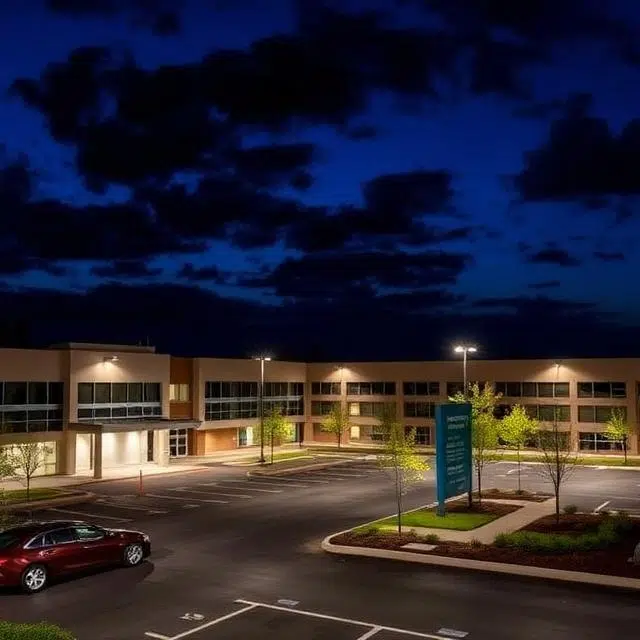
Hospital lighting systems remain exposed to dust, humidity, rainfall, and extreme summer temperatures throughout the UAE.
Choosing LED flood lights with IP65 or IP66 protection ensures resistance against water and dust ingress.
Corrosion-resistant aluminum housings, tempered glass lenses, and durable powder-coated finishes extend fixture life while reducing maintenance requirements in challenging outdoor environments.
Durability Reduces Maintenance Costs
Hospitals cannot afford frequent lighting failures.
LED flood lights with operational lifespans exceeding 50,000 hours dramatically reduce replacement frequency compared with traditional lighting technologies.
Lower maintenance requirements decrease labor costs while minimizing disruptions around busy hospital entrances and parking facilities.
Reliable lighting also supports continuous healthcare operations without unexpected outages.

Energy Efficiency Supports Sustainability
Healthcare facilities consume substantial amounts of electricity every day.
Replacing outdated lighting systems with energy-efficient LEDs significantly lowers electricity usage while reducing carbon emissions.
Many hospitals across Dubai Healthcare City, Abu Dhabi, Sharjah, and other UAE regions are incorporating LED technology into sustainability initiatives designed to improve environmental performance while lowering operational expenses.
Smart Lighting Controls Improve Hospital Operations
Modern hospitals are adopting smart lighting systems to improve efficiency and reduce unnecessary energy consumption. Smart LED flood lights can be connected to centralized lighting management systems that allow facility managers to monitor, schedule, and control outdoor lighting from a single dashboard.
These intelligent systems automatically adjust brightness based on time, weather conditions, and occupancy. During late-night hours with minimal vehicle movement, lighting levels can be reduced slightly to conserve electricity while maintaining adequate visibility for safety.
Motion Sensors Increase Energy Savings
Motion sensors provide another layer of efficiency in hospital parking areas. Instead of operating at full brightness throughout the night, LED flood lights can automatically increase illumination when vehicles or pedestrians are detected.
This technology is especially useful in overflow parking areas, staff parking zones, and service entrances that experience lower traffic volumes. Motion-controlled lighting helps reduce electricity costs while ensuring people always have sufficient visibility when moving around the facility.
Emergency Backup Lighting Is Critical
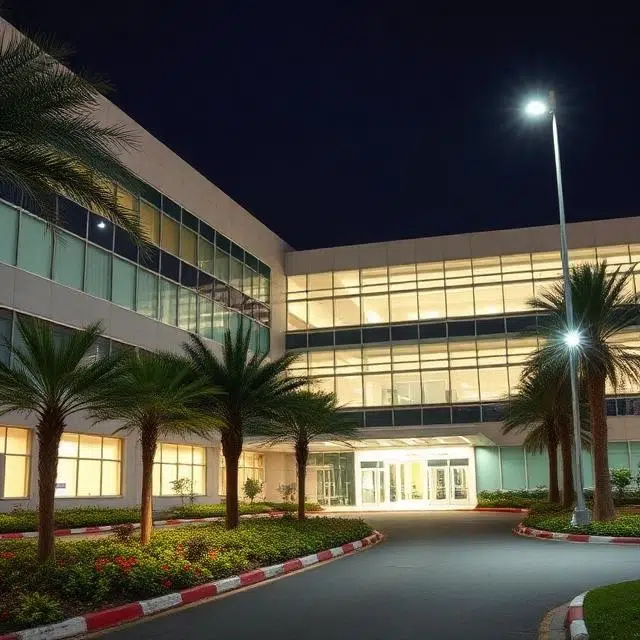
Hospitals cannot tolerate lighting failures during emergencies. Parking areas must remain illuminated even during power outages to support ambulance arrivals, emergency evacuations, and patient transfers.
Installing LED flood lights with backup power systems or integrating them into emergency generators ensures uninterrupted operation. Reliable emergency lighting allows medical teams, security personnel, and visitors to move safely during unexpected situations.
Improve CCTV Performance with LED Flood Lights
Hospital security relies heavily on surveillance systems. Poor lighting reduces camera effectiveness and makes it difficult to identify people, vehicles, or suspicious activity.
High-quality LED flood lights provide uniform illumination that improves CCTV image clarity without creating excessive glare. Balanced lighting helps security teams monitor entrances, parking rows, payment stations, and pedestrian walkways more effectively.
Reduce Glare for Drivers and Pedestrians
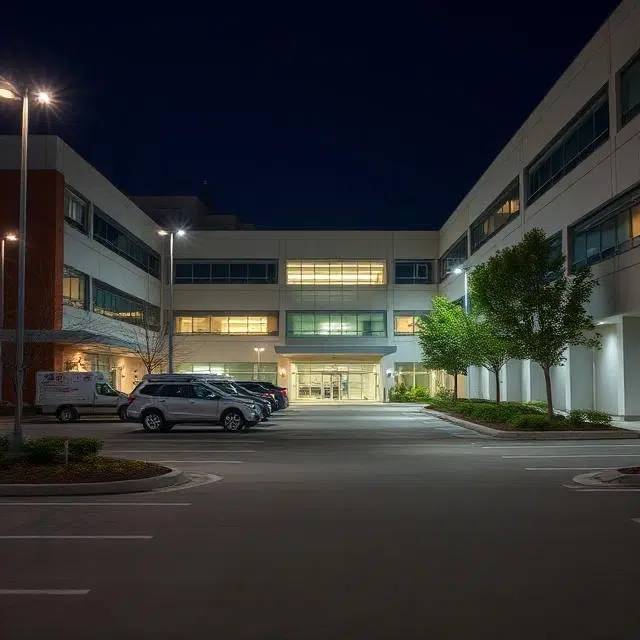
Excessive glare can be just as dangerous as poor lighting. Bright light directed into a driver’s eyes may reduce visibility and increase accident risks.
Professional LED flood lighting systems use advanced optical lenses that direct light precisely where it is needed. Proper fixture positioning minimizes glare while maintaining excellent illumination across parking spaces, roadways, and pedestrian crossings.
Lighting for Ambulance Bays and Emergency Entrances
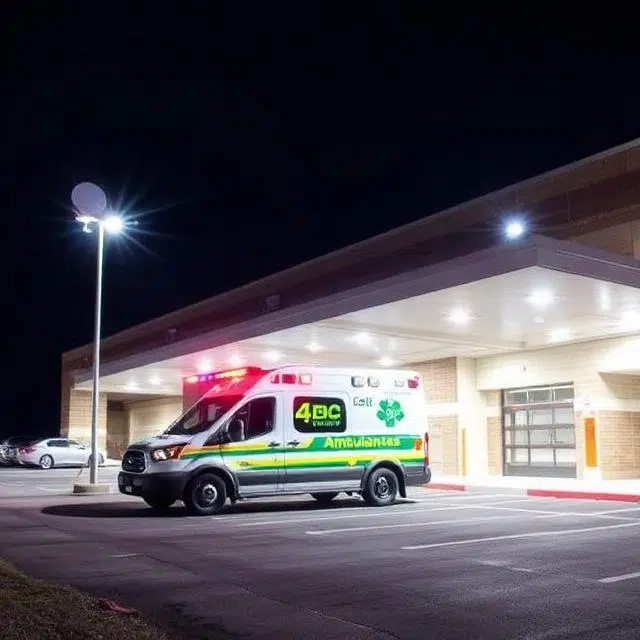
Emergency departments require higher lighting standards than general parking areas. Ambulance bays must remain brightly illuminated to help medical staff perform rapid patient transfers without visibility issues.
Well-designed LED flood lighting improves vehicle maneuvering, supports emergency response teams, and creates safer working conditions throughout the day and night.
Enhance Pedestrian Safety
Hospital visitors often include elderly people, children, pregnant women, and individuals recovering from medical procedures. Safe pedestrian pathways are essential for every healthcare facility.
LED flood lights should illuminate sidewalks, wheelchair ramps, crosswalks, drop-off zones, and building entrances. Uniform lighting reduces trip hazards while helping visitors navigate confidently through the hospital campus.
Wayfinding Becomes Easier with Proper Lighting
Large hospital campuses can be confusing for first-time visitors. Proper outdoor lighting supports wayfinding by highlighting directional signs, parking sections, emergency entrances, and visitor reception areas.
Combining LED flood lights with illuminated signage creates a more welcoming environment while reducing confusion for patients and family members arriving during evening hours.
Consider Pole Height and Fixture Placement
Lighting performance depends not only on the fixture itself but also on installation design.
Pole height influences light distribution and coverage. Taller poles illuminate larger areas with fewer fixtures, while shorter poles provide focused lighting for pedestrian pathways and entrances.
Professional lighting designers calculate mounting height, spacing, and beam angles to achieve uniform illumination while avoiding dark spots.
Hospitals Across the UAE Are Transitioning to LED Technology
Healthcare facilities throughout Dubai, Abu Dhabi, Sharjah, Ajman, Al Ain, Ras Al Khaimah, Fujairah, and Umm Al Quwain are upgrading their outdoor lighting systems as part of broader sustainability initiatives.
Many hospitals are replacing outdated metal halide fixtures with modern LED flood lights to reduce electricity bills, improve security, and lower maintenance requirements. These upgrades also contribute to green building objectives and support national energy-efficiency goals.
Choosing the Right Supplier Matters
Selecting the right lighting partner is just as important as selecting the fixtures themselves. Hospitals require products that comply with international quality standards, provide long operational life, and deliver consistent performance under demanding environmental conditions.
Working with a trusted led flood lights supplier for hospitals ensures access to certified products, professional lighting design support, warranty protection, and reliable after-sales service. Experienced suppliers can also recommend suitable wattages, beam angles, and installation layouts for different hospital environments.
Maintenance Best Practices
Although LED flood lights require significantly less maintenance than conventional lighting, regular inspections remain important.
Facility managers should periodically clean lenses, inspect mounting brackets, verify electrical connections, and test emergency backup systems. Preventive maintenance helps maintain maximum light output while extending fixture lifespan and preventing unexpected failures.
Environmental Benefits of LED Flood Lighting
Sustainability has become a major priority for healthcare organizations worldwide. LED flood lights consume considerably less electricity, helping hospitals reduce greenhouse gas emissions and lower their environmental impact.
Their long lifespan also reduces waste generated by frequent lamp replacements. Because LEDs contain no mercury, they are safer to dispose of than many traditional lighting technologies, supporting environmentally responsible facility management.
Future Trends in Hospital Outdoor Lighting
The future of hospital lighting is becoming increasingly intelligent. Artificial intelligence, IoT-enabled lighting controls, occupancy sensors, daylight harvesting, and predictive maintenance systems are transforming the way healthcare campuses manage outdoor illumination.
These technologies allow lighting systems to respond automatically to real-time conditions, improving energy efficiency while maintaining the highest standards of safety and reliability. Hospitals investing in smart LED infrastructure today are preparing for more connected, sustainable, and efficient healthcare environments in the future.