The Importance of Colour Temperature
Colour temperature is among the most consequential decisions in commercial and hospitality lighting, shaping the atmosphere and the experience of a space. Warm white LED lighting, in the range around three thousand kelvin and below, creates the inviting, comfortable environments that hospitality and many commercial interiors require across the UAE. This guide examines warm white LED lighting for hotels, restaurants, and commercial interiors across the Emirates.
It explores why and where warm white lighting is specified, the qualities it delivers, and the considerations in specifying it, supporting the developers, operators, and designers who create the inviting environments that warm white lighting enables.
Why Hospitality Chooses Warm White
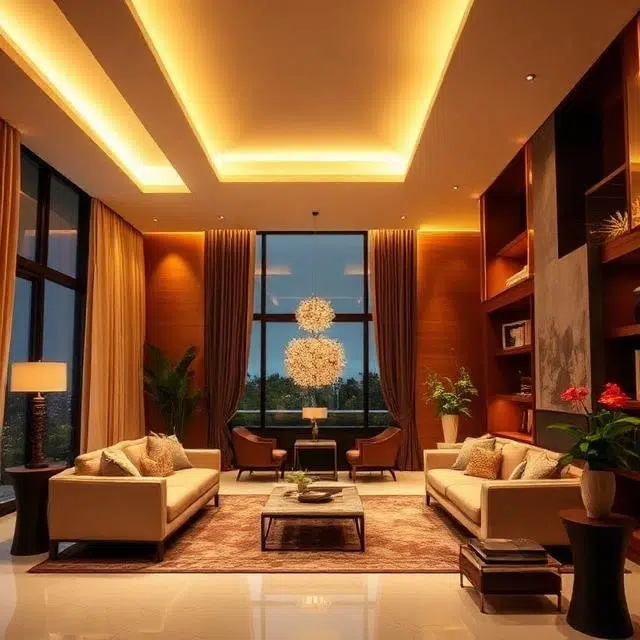
Hospitality developments specify warm white lighting because it creates the psychological response their environments require, relaxation, comfort, and welcome. Warm light, resembling candlelight and traditional incandescent lighting, triggers positive associations that influence guest satisfaction and behaviour. The warm environment encourages guests to relax, stay, and return, supporting the commercial objectives of the hospitality venue.
Specifying warm white lighting for hospitality creates the welcoming, comfortable environment the experience requires. The warm light that encourages relaxation and welcome supports guest satisfaction and the commercial performance of the venue, a key reason hospitality developments specify warm white across their guest rooms, restaurants, and public spaces in the UAE, complemented by LED downlights for hotel interiors.
Restaurant and Dining Atmosphere
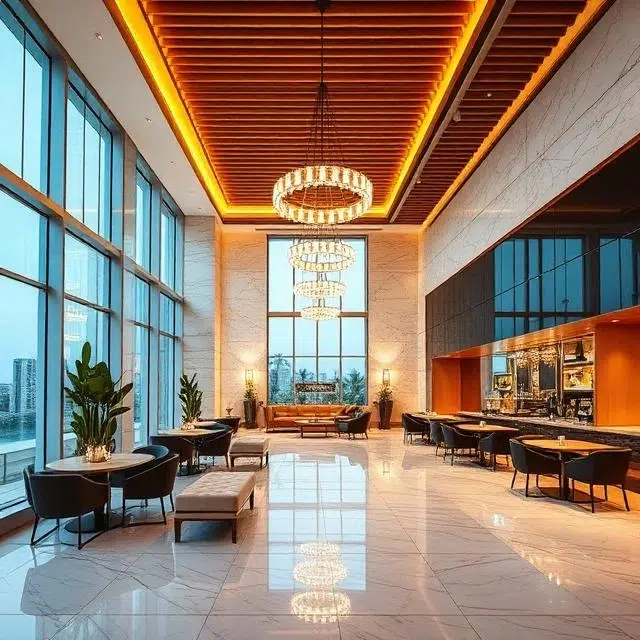
Restaurants depend on atmosphere, and warm white lighting creates the intimate, inviting dining environment that encourages extended dining and return visits. The warm light flatters food and diners alike, creating the comfortable atmosphere that distinguishes a quality dining experience. For restaurant developers and operators, warm white lighting is fundamental to the dining atmosphere their venues require.
Specifying warm white lighting for restaurants creates the intimate dining atmosphere that drives the dining experience. The warm light that flatters food and creates comfort encourages diners to relax and return, supporting the commercial performance of the restaurant, making warm white lighting essential to the dining environment across UAE restaurants and hotel dining.
Guest Rooms and Relaxation
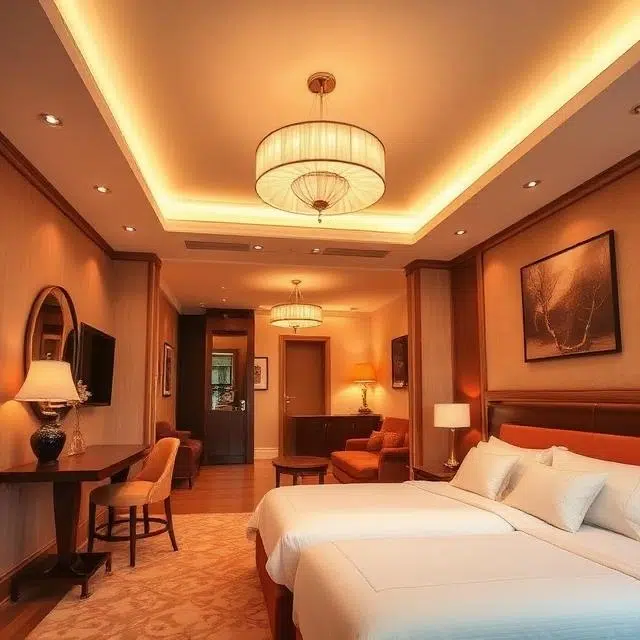
Hotel guest rooms specify warm white lighting to create the restful environment that supports relaxation and sleep. The warm light, distinct from the energising light of workplaces, signals rest and comfort, supporting the relaxation that guests seek in their rooms. Specifying warm white lighting for guest rooms creates the restful environment that hospitality guests value across their stay.
Specifying warm white lighting for guest rooms delivers the restful environment that supports relaxation. The warm light that signals comfort and rest suits the guest room, supporting the relaxation and sleep that guests seek, a key element of the hospitality experience delivered through the warm lighting of the guest room across UAE hotels and serviced apartments.
Commercial and Boutique Environments
Premium and lifestyle specifies warm white lighting to create the inviting, aspirational environment that suits their brands. The warm light creates a welcoming, premium atmosphere that suits fashion, lifestyle, and boutique hospitality, distinct from the bright, neutral light of value commercial. Specifying warm white lighting for these commercial environments creates the brand atmosphere their positioning requires.
Specifying warm white lighting for premium and lifestyle creates the inviting brand atmosphere their positioning requires. The warm light that creates a welcoming, aspirational environment suits these brands, supporting the brand expression and customer experience that premium commercial pursues across UAE boutiques and lifestyle stores.
Colour Rendering With Warm White
Warm white lighting must combine its colour temperature with high colour rendering to present materials, food, and people attractively. Low colour rendering warm light renders colours dully, undermining the environment the warm temperature creates. High colour rendering, around ninety on the CRI scale, ensures the warm light reveals colours faithfully, presenting the environment attractively. Specifying high colour rendering with warm white is essential.
Specifying high colour rendering alongside warm colour temperature ensures the warm lighting presents the environment attractively. The high rendering that reveals materials, food, and people faithfully, combined with the warm temperature, creates the attractive, comfortable environment that hospitality and premium commercial require, making colour rendering an essential consideration with warm white lighting.
Application Across the Property
Warm white lighting is applied across the hospitality property, from guest rooms and restaurants to lobbies and lounges, creating a consistent warm atmosphere. The coordinated application of warm white across the property maintains the welcoming environment throughout, supporting the consistent hospitality experience. Specifying warm white consistently across the property delivers the coherent warm atmosphere the hospitality experience requires.
Specifying warm white lighting consistently across the hospitality property delivers the coherent warm atmosphere the experience requires. The coordinated warm lighting that creates a welcoming environment throughout supports the consistent experience, maintaining the hospitality atmosphere across the guest rooms, dining, and public spaces of the property in the UAE.
Warm White and Dimming
Warm white lighting combined with dimming delivers the flexible atmosphere that hospitality requires, allowing the warmth to be adjusted across the day and for different occasions. Dimmed warm light creates an intimate evening atmosphere, while brighter warm light suits daytime. The combination of warm white and dimming delivers the atmospheric flexibility that hospitality spaces require across their varied use.
Specifying dimmable warm white lighting delivers the atmospheric flexibility hospitality requires. The warm light, adjustable in intensity, creates the appropriate atmosphere across the day and for different occasions, supporting the varied use of hospitality spaces, combining the warmth and the flexibility that the hospitality atmosphere requires across the UAE.
Distinguishing Warm From Neutral
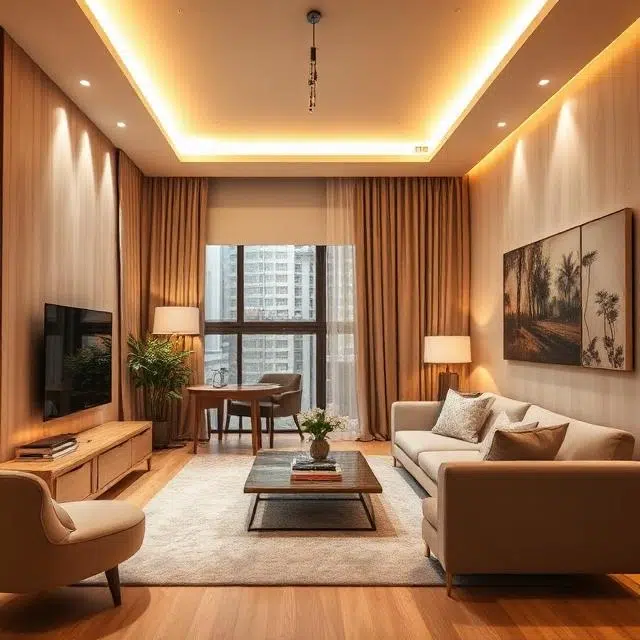
The choice between warm and neutral white depends on the application, warm for hospitality and relaxation, neutral for productivity and clarity. Hospitality and living spaces favour warm white for comfort, while offices and technical spaces favour neutral white for clarity. Understanding this distinction, and specifying the appropriate temperature for each application, ensures the lighting suits its space across the development.
Specifying warm or neutral white according to the application ensures the lighting suits each space. The warm white for hospitality and relaxation, and the neutral white for productivity and clarity, each suit their applications, selected to suit the function of the space, ensuring the colour temperature serves the application across the diverse spaces of the development.
Warm White in Mixed-Use Developments
Mixed use developments coordinate warm and neutral lighting across their different functions, applying warm white to hospitality and residential elements and neutral to commercial. This coordination, applying the appropriate temperature to each function, maintains the appropriate atmosphere across the development while ensuring coherence at the transitions. Specifying the coordinated colour temperature suits the mixed use development.
Specifying coordinated colour temperature across the mixed use development applies the appropriate light to each function. The warm white for hospitality and residential and the neutral for commercial each suit their elements, coordinated to maintain coherence across the transitions, delivering the appropriate atmosphere across the diverse functions of the mixed use development in the UAE.
Strip and Cove Warm Lighting
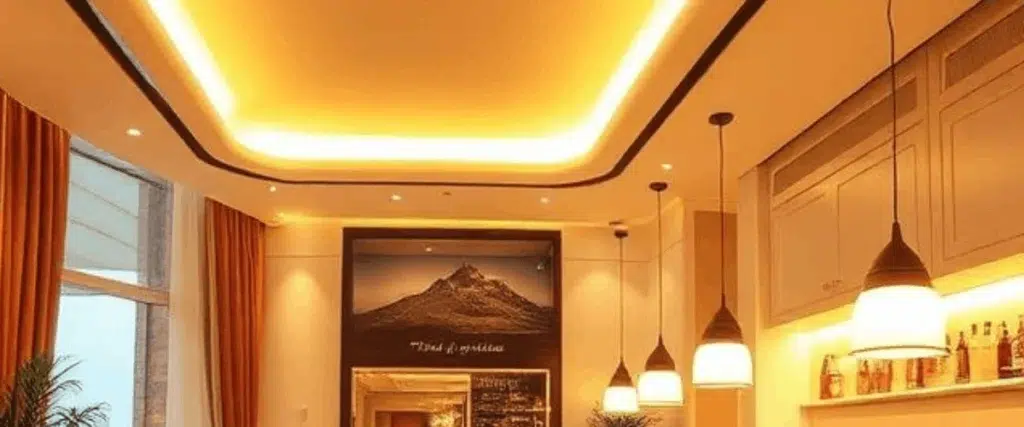
Warm white strip lighting in coves and architectural details delivers the indirect warm light that creates hospitality atmosphere. The concealed warm strip lighting washes surfaces with soft warm light, creating the glowing, inviting environment that hospitality interiors require. Specifying warm white strip lighting for coves and details delivers this atmospheric indirect lighting across the hospitality interior, supported by LED strip lights for hospitality coves.
Specifying warm white strip lighting for architectural coves and details delivers the indirect warm light that creates atmosphere. The concealed warm lighting that washes surfaces softly creates the inviting environment hospitality requires, an important application of warm white lighting in the cove and architectural detail across hospitality interiors in the UAE.
Quality and Consistency of Warm White
The quality and consistency of the warm white lighting determine the environment it creates, with consistent colour across the installation essential to a coherent atmosphere. Variation in the warm colour between fixtures undermines the environment, while consistent warm light creates a coherent atmosphere. Specifying quality warm white lighting with consistent colour ensures the coherent, attractive atmosphere the environment requires.
Specifying quality, consistent warm white lighting ensures the coherent atmosphere the environment requires. The consistent warm colour across the installation creates a coherent, attractive environment, while variation undermines it, making the quality and consistency of the warm white lighting essential to the atmosphere across the hospitality and commercial interior in the UAE.
Warm White Lighting Supply From Tricircle
Delivering warm white lighting for hospitality and commercial interiors requires quality products with consistent warm colour and high rendering. As an authorised OPPLE distributor, Tricircle supplies quality warm white LED lighting across UAE hospitality and commercial interiors, supporting developers and operators in creating the inviting environments that warm white lighting enables.
To discuss warm white lighting for your hospitality or commercial project, contact our team at aysha@tricirclegroup.ae or call +971 50 578 1325. We supply quality warm white LED lighting in project quantities across Dubai, Sharjah, Abu Dhabi, and the wider Emirates.