Lighting That Responds to Occupancy
Across commercial buildings in the UAE, large areas of space are occupied only intermittently, car parks, stairwells, corridors, store rooms, and service areas, where lighting often operates for many hours with no one present. Motion sensor LED lighting addresses this waste, switching or dimming the lighting in response to occupancy and delivering significant energy savings without compromising safety or usability. This guide examines LED motion sensor lighting for commercial buildings and facilities across the Emirates.
It explores the applications, the benefits, and the specification of motion sensor lighting, supporting the developers, facility managers, and consultants who employ it to manage energy across commercial buildings in the UAE.
The Waste of Always-On Lighting
The lighting of intermittently occupied spaces, operating continuously regardless of occupancy, wastes significant energy across the commercial building. Car parks, stairwells, and service areas lit continuously consume energy through the many hours they are unoccupied, a waste that accumulates across the building and the year. This waste of always on lighting represents a significant, avoidable energy cost in commercial buildings.
Recognising the waste of always on lighting motivates the use of occupancy control. The continuous lighting of intermittently occupied spaces, consuming energy when no one is present, represents an avoidable cost that motion sensor lighting addresses, delivering the savings that occupancy responsive lighting provides across the commercial building in the UAE.
How Motion Sensor Lighting Works
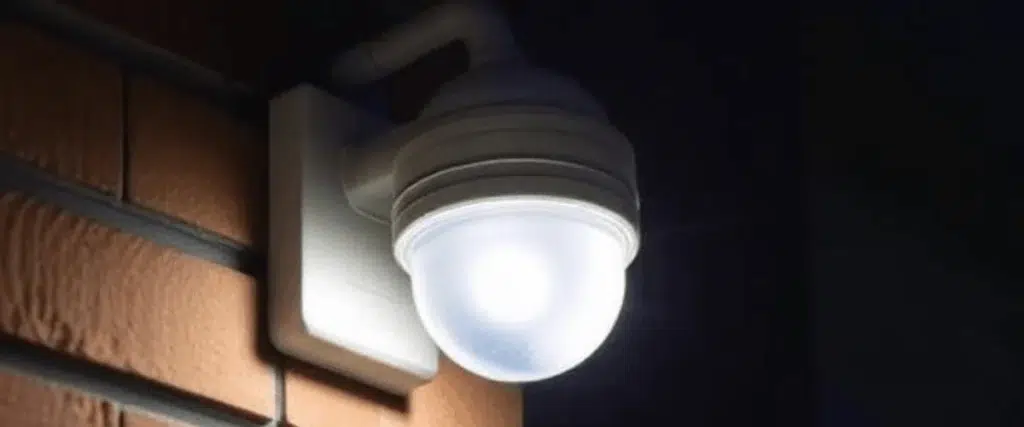
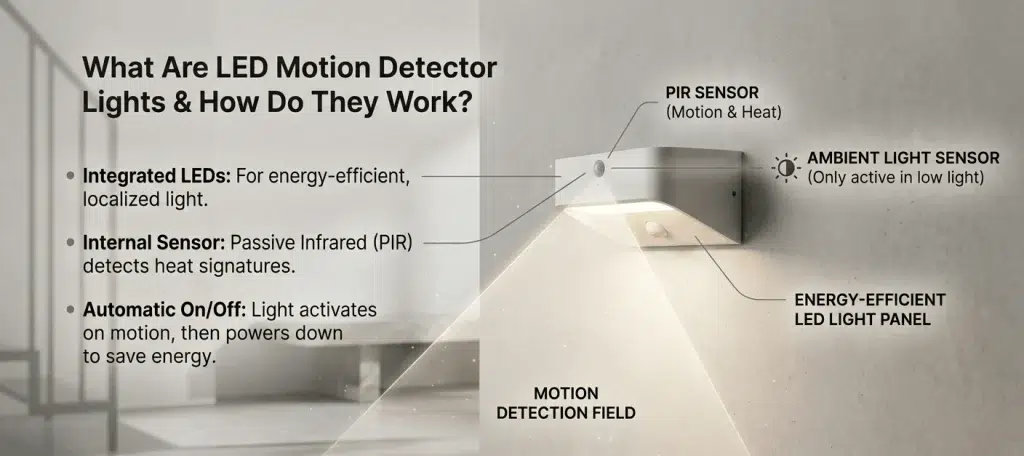
Motion sensor lighting uses sensors that detect the presence or movement of people, switching or dimming the lighting in response. When occupancy is detected, the lighting illuminates; when the space is vacated, it switches off or dims after a delay. This responsive operation ensures the lighting operates only when needed, delivering the illumination when occupied and conserving energy when not.
Understanding how motion sensor lighting works clarifies its benefit, the responsive operation that illuminates on occupancy and conserves energy when vacant. This responsive control, ensuring the lighting operates only when needed, delivers the energy savings that occupancy responsive lighting provides across the intermittently occupied spaces of the commercial building.
Car Park Applications
Car parks are a prime application for motion sensor lighting, with their large areas occupied intermittently as vehicles and people come and go. Motion sensor lighting in car parks maintains illumination in occupied areas while dimming the unoccupied areas, delivering substantial energy savings while maintaining safety. The microwave sensors suited to car parks detect movement reliably, controlling the lighting responsively across the car park.
Specifying motion sensor lighting for car parks delivers substantial energy savings while maintaining safety. The lighting that illuminates the occupied areas and dims the unoccupied, controlled by reliable sensors, conserves energy across the intermittently occupied car park, an effective application of occupancy control, complemented by our LED batten lights for car parks.
Stairwell and Corridor Safety
Stairwells and corridors, occupied intermittently as people move through the building, suit motion sensor lighting that maintains a safe standby level and boosts to full illumination on occupancy. This approach satisfies the safety requirement for maintained illumination while conserving energy when the spaces are unoccupied. Motion sensor lighting in stairwells and corridors balances safety with energy management effectively.
Specifying motion sensor lighting for stairwells and corridors balances safety and energy management. The standby illumination that maintains safety, boosting to full on occupancy, conserves energy in the intermittently occupied vertical circulation while meeting the safety requirement, an effective application of occupancy control across the commercial building in the UAE.
Service and Back-of-House Areas
Service and back of house areas, store rooms, plant rooms, and service corridors, occupied only occasionally, suit motion sensor lighting that illuminates on entry and switches off on departure. These spaces, where manual switching is frequently neglected and lights left on, benefit particularly from automatic occupancy control. Motion sensor lighting eliminates the energy waste of lights left on in these occasional use spaces.
Specifying motion sensor lighting for service and back of house areas eliminates the waste of lights left on. The automatic control that illuminates on entry and switches off on departure conserves energy in these occasional use spaces, where manual switching is neglected, an effective application of occupancy control across the back of house of the commercial building.
Commercial Storage and Staff Areas
Commercial storage and staff areas, occupied intermittently through the trading day, suit motion sensor lighting that conserves energy when these spaces are unoccupied. The store rooms, changing areas, and staff facilities of commercial, occupied occasionally, benefit from automatic occupancy control that eliminates the energy waste of continuous lighting. Motion sensor lighting reduces the energy cost of these intermittently occupied commercial spaces.
Specifying motion sensor lighting for commercial storage and staff areas reduces the energy cost of these spaces. The automatic control that conserves energy when the store rooms and staff areas are unoccupied eliminates the waste of continuous lighting, an effective application of occupancy control across the back of house of the commercial environment in the UAE.
Sensor Types and Technologies
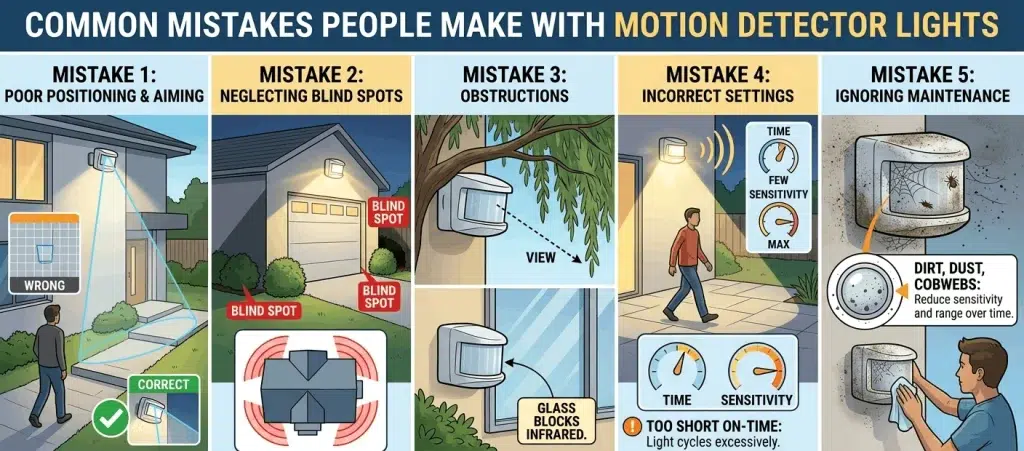
Motion sensor lighting uses different sensor technologies, passive infrared detecting body heat movement, and microwave detecting movement through materials, each suited to different applications. PIR sensors suit enclosed spaces with clear lines of sight, while microwave sensors suit car parks and areas where detection through obstacles is required. Selecting the appropriate sensor technology suits the application and ensures reliable detection.
Specifying the appropriate sensor technology for each application ensures reliable occupancy detection. The PIR sensors for enclosed spaces and the microwave sensors for car parks and areas requiring detection through obstacles each suit their applications, selected to ensure reliable detection across the motion sensor lighting of the commercial building.
Standby and Boost Operation
Motion sensor lighting can operate in switch mode, off when unoccupied, or standby boost mode, dimmed when unoccupied and boosted on occupancy. The standby boost mode suits spaces requiring maintained illumination for safety, while the switch mode suits spaces where full switching is acceptable. Specifying the appropriate operation mode suits the requirement of each space, balancing energy saving with safety.
Specifying the appropriate operation mode, switch or standby boost, suits the requirement of each space. The standby boost for spaces requiring maintained safety illumination and the switch mode for spaces accepting full switching each suit their applications, balancing the energy saving with the safety requirement across the motion sensor lighting installation.
Energy Savings Achieved
Motion sensor lighting delivers substantial energy savings in intermittently occupied spaces, reducing the lighting energy of these areas significantly by operating only when needed. The savings, accumulating across the intermittently occupied spaces of the building and the year, represent a meaningful reduction in the building energy cost. For commercial buildings with extensive intermittently occupied areas, these savings are significant.
Specifying motion sensor lighting delivers substantial energy savings across intermittently occupied spaces. The lighting operating only when needed reduces the energy of these areas significantly, accumulating into a meaningful reduction in the building energy cost, an effective energy management strategy across the commercial building in the UAE.
Integration With Building Controls
Motion sensor lighting integrates with the broader building control and management systems, contributing the occupancy data and the energy savings to the building management. The integration allows the occupancy control to work alongside the daylight harvesting and scheduling of the building control, delivering coordinated energy management. Specifying integrated motion sensor lighting contributes to the building energy management system.
Specifying motion sensor lighting integrated with building controls contributes to coordinated energy management. The occupancy control working alongside the daylight and scheduling control, contributing the occupancy data and savings, delivers the coordinated energy management that the building management system pursues across the commercial building in the UAE.
Reliability and Quality
The reliability of the motion sensor lighting depends on the quality of the sensors and the fixtures, with quality components delivering reliable detection and operation. Quality sensors detect occupancy reliably and the fixtures operate dependably, while inferior components cause unreliable detection and operation. Specifying quality motion sensor lighting ensures the reliable operation that the energy management and safety functions require.
Specifying quality motion sensor lighting ensures reliable detection and operation. The quality sensors and fixtures that detect occupancy reliably and operate dependably deliver the energy management and safety functions, where inferior components disappoint, making quality essential to the motion sensor lighting across the commercial building in the UAE.
Specifying Motion Sensor Lighting
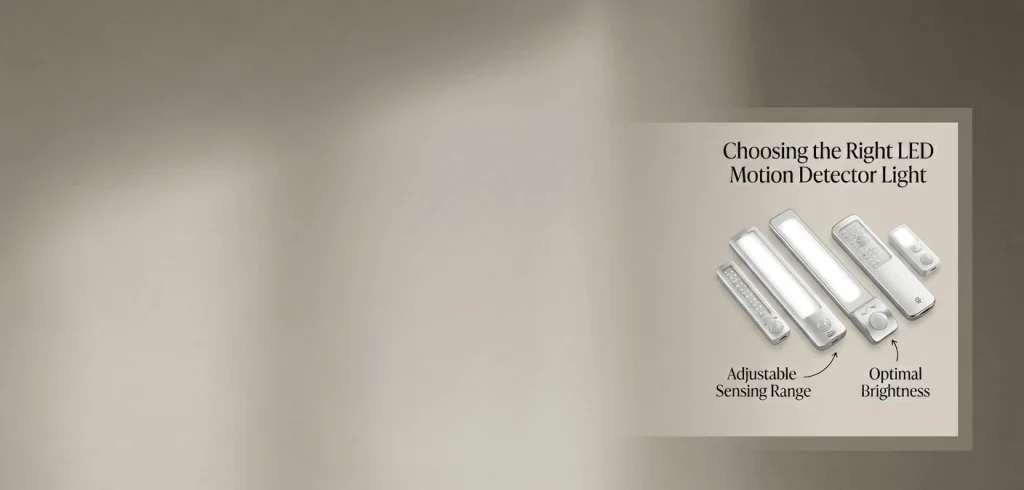
Specifying motion sensor lighting requires identifying the intermittently occupied spaces, selecting the appropriate sensors and operation modes, and integrating with the building controls. This specification, addressing the spaces, the sensors, and the integration, delivers the effective occupancy control that conserves energy across the building. Specifying motion sensor lighting well delivers the energy management that intermittently occupied spaces offer.
Specifying motion sensor lighting effectively delivers the energy management that intermittently occupied spaces offer. The identification of the spaces, the selection of the sensors and modes, and the integration with the controls deliver the effective occupancy control, conserving energy across the intermittently occupied spaces of the commercial building in the UAE.
Motion Sensor Lighting From Tricircle
Delivering motion sensor lighting for commercial buildings requires quality sensor enabled products and knowledgeable support. As an authorised OPPLE distributor, Tricircle supplies motion sensor LED lighting across UAE commercial buildings, supporting developers and facility managers in managing energy across their intermittently occupied spaces.
To discuss motion sensor lighting for your commercial building, contact our team at aysha@tricirclegroup.ae or call +971 50 578 1325. We supply occupancy responsive LED lighting in project quantities across Dubai, Sharjah, Abu Dhabi, and the wider Emirates.