If you are planning a new office, retail store, warehouse, hotel, hospital, or villa in Dubai, structured cabling is the backbone of everything. Without a strong cabling system, your internet, CCTV, access control, WiFi, IP phones, servers, and even smart systems will not work properly.
In this detailed guide, I will explain structured cabling in Dubai from real-world experience, covering design, standards, installation, materials, testing, maintenance, cost factors, and common mistakes.
What Is Structured Cabling?
Structured cabling is a standardized system of cables, connectors, patch panels, racks, and hardware that supports:
- Data networks
- Voice systems
- CCTV & IP cameras
- Access control systems
- WiFi networks
- Servers & data centers
- Audio-visual systems
- Building management systems
- Smart home & office automation
Instead of random wiring, structured cabling creates a clean, organized, scalable infrastructure that supports current and future technology.
Why Structured Cabling Is Critical in Dubai
Dubai is a fast-growing business hub with high-tech buildings, smart offices, and advanced infrastructure. Whether it’s a commercial tower in Business Bay or a retail outlet in a mall, every space needs:
- High-speed internet
- Stable internal network
- Secure data transmission
- Organized server rooms
- Scalable expansion options
A poor cabling system leads to:
- Slow network speed
- Frequent downtime
- Signal interference
- Overheating in server racks
- Difficult troubleshooting
- Expensive future rework
That’s why professional structured cabling is not optional, it’s essential.
Types of Structured Cabling Systems
1. Copper Cabling (Twisted Pair)
Common categories used in Dubai projects:
- Cat5e
- Cat6
- Cat6A
- Cat7
Cat6 and Cat6A are most common for commercial offices because they support higher speeds and better bandwidth.
Used for:
- Data points
- Workstations
- IP phones
- WiFi access points
2. Fiber Optic Cabling
Fiber is used for:
- Backbone connections
- Inter-floor connectivity
- Data centers
- High-speed enterprise networks
Types:
- Single-mode fiber
- Multi-mode fiber
Fiber is essential in high-rise buildings and large facilities.
Components of a Structured Cabling System
A professional installation includes:
1. Entrance Facility
Where ISP connection enters the building.
2. Equipment Room
Main server room with:
- Network racks
- Core switches
- Patch panels
- UPS systems
3. Telecommunications Room (TR)
Floor-level distribution rooms.
4. Horizontal Cabling
Cables from TR to workstations.
5. Backbone Cabling
Interconnection between floors.
6. Work Area Components
Wall outlets, faceplates, patch cords.
International Standards Followed in Dubai
Professional structured cabling in Dubai follows:
- TIA/EIA standards
- ISO/IEC standards
- ANSI cabling standards
- Local municipality regulations
- Civil Defense requirements (for fire-rated cables)
Compliance ensures:
- Safety
- Performance
- Long-term reliability
- Inspection approval
Industries That Need Structured Cabling in Dubai
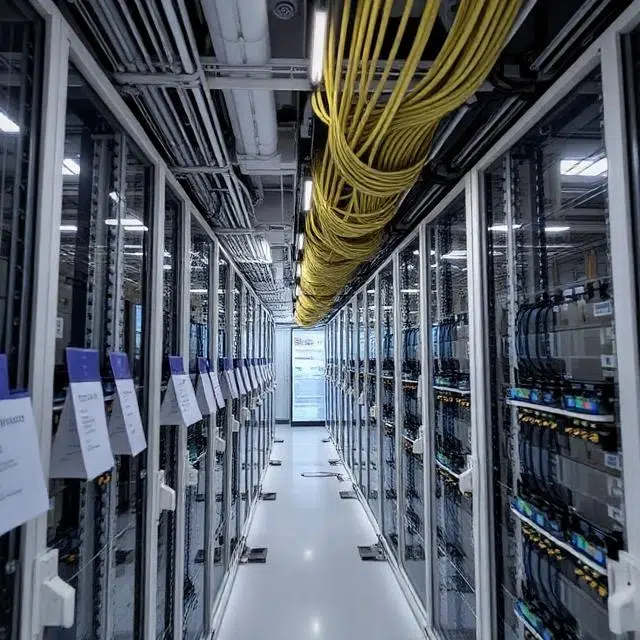
Corporate Offices
Clean workstation connectivity and VOIP systems.
Retail Stores
POS systems, CCTV, digital signage.
Hotels
Guest WiFi, IPTV, access control.
Hospitals
Secure data networks and monitoring systems.
Warehouses
Industrial networking & surveillance.
Smart Villas & Apartments
Integration with systems like home automation Abu Dhabi solutions.
Structured Cabling for Smart Buildings
Dubai is heavily investing in smart infrastructure. Structured cabling supports:
- IoT devices
- Smart lighting systems
- Energy management systems
- Access control
- Smart thermostats
- Security integration
Without proper cable planning, smart building systems fail to operate efficiently.
Structured Cabling Installation Process (Step-by-Step)
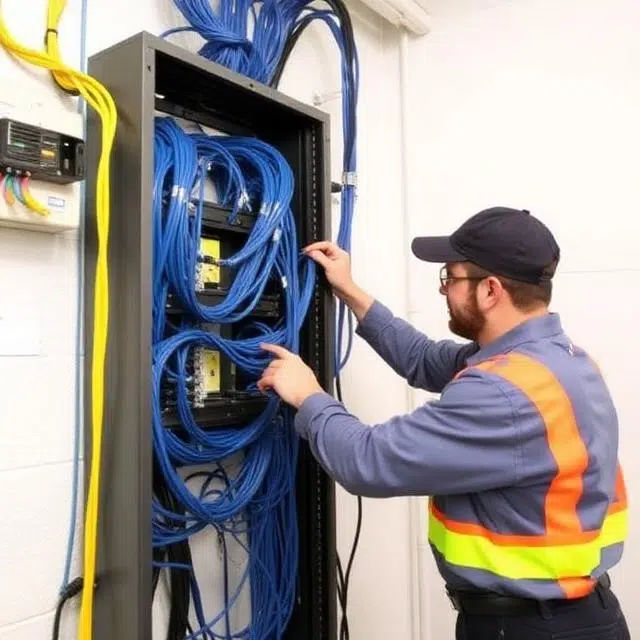
1. Site Survey
- Understand layout
- Identify server room
- Calculate data points
- Check ceiling type & pathways
2. Network Design
- Rack layout design
- Cable routing plan
- Patch panel allocation
- Future expansion planning
3. Cable Pulling
- Tray installation
- Conduit routing
- Proper cable bending radius
- Separation from electrical lines
4. Termination
- Punching on patch panels
- Keystone jacks termination
- Labeling both ends
5. Testing & Certification
Using:
- Fluke cable tester
- OTDR for fiber
Every cable must be tested and documented.
6. Documentation
- As-built drawings
- Port mapping
- Rack layout diagrams
This is where many contractors fail; documentation is critical.
Common Mistakes in Structured Cabling Projects
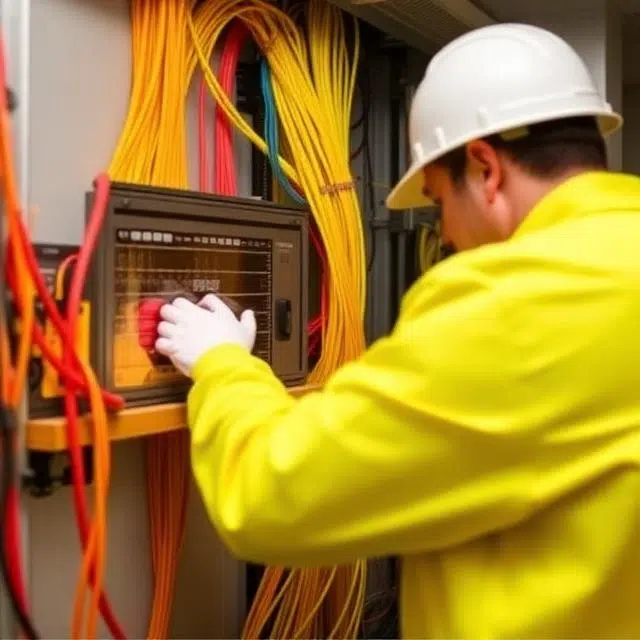
From experience, here are frequent problems in Dubai projects:
- No proper labeling
- Overloaded cable trays
- Mixing power & data cables
- No future capacity planning
- Cheap low-grade cables
- No proper testing
- Poor rack management
These mistakes cause serious long-term issues.
Cost of Structured Cabling in Dubai
Cost depends on:
- Number of data points
- Cable category (Cat6 vs Cat6A)
- Fiber requirements
- Rack & cabinet size
- Testing & certification level
- Project size
A small office (20–30 points) cost is very different from a 200-point corporate floor.
Cheap installation often results in expensive repairs later.
Why Professional Installation Matters
A certified structured cabling company ensures:
- Clean rack organization
- Professional labeling
- High-speed performance
- Reduced downtime
- Easy maintenance
- Scalable growth
In Dubai’s competitive market, downtime means lost business.
Structured Cabling vs Traditional Cabling
| Traditional Cabling | Structured Cabling |
|---|---|
| Random wiring | Organized system |
| No documentation | Full documentation |
| Hard to upgrade | Easy to scale |
| Performance issues | Optimized performance |
| High maintenance | Low maintenance |
Future-Proofing Your Network
Dubai businesses are moving toward:
- 10G networks
- Cloud integration
- AI systems
- Smart security
- High-density WiFi
Installing Cat6A or fiber backbone today saves you from full replacement tomorrow.
Structured Cabling for Data Centers in Dubai
Data centers require:
- High-density fiber
- Cable management systems
- Raised floor planning
- Cooling airflow consideration
- Redundant backbone cabling
Improper design here can cause overheating and serious performance failure.
Maintenance & AMC (Annual Maintenance Contract)
After installation:
- Regular inspection
- Cable health check
- Rack cleaning
- Testing random ports
- Updating documentation
AMC prevents unexpected breakdown.
Choosing the Right Structured Cabling Company in Dubai
Look for:
- Certified technicians
- Proper testing equipment
- Experience in commercial projects
- Clean rack finishing
- Warranty on installation
- Full documentation delivery
Never choose only based on lowest price.