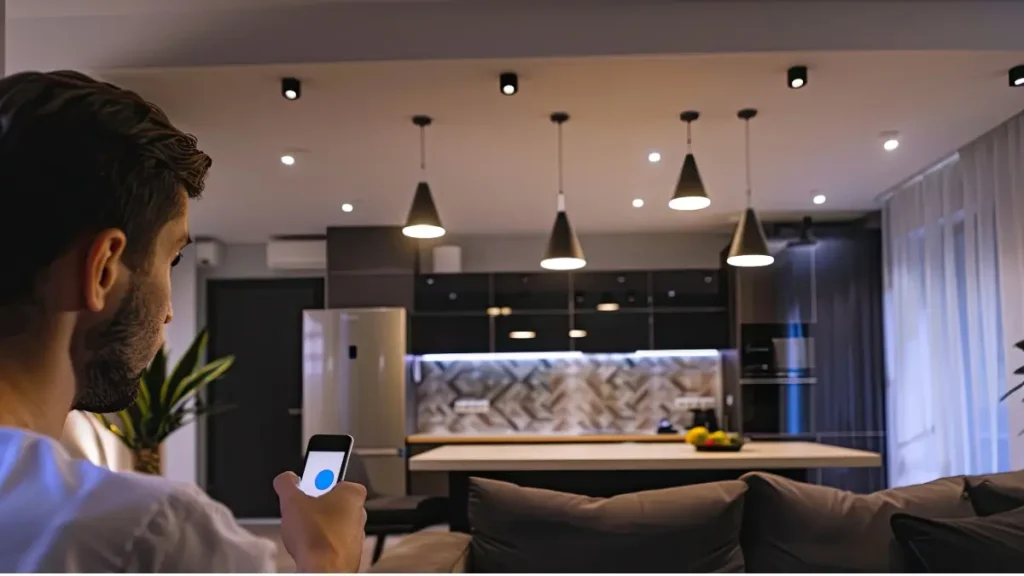
Understanding Downlight Safety in Commercial Buildings
Recessed downlights sit within the ceiling void of almost every commercial and hospitality building in the UAE, and because they are installed into the building fabric, their safety and compliance carry real consequences. A downlight is not simply a light source; it is an electrical fitting embedded in a ceiling that may form part of a fire compartment, positioned close to insulation, structure, and other services. For developers, MEP consultants, and contractors, understanding how downlights interact with these elements is essential to delivering a building that is both safe and compliant.
This guide addresses downlight safety from the perspective of the professionals responsible for it. It covers the certification framework that governs commercial fittings in the UAE, the fire rating requirements that apply in compartmented ceilings, the ingress protection ratings that suit different environments, and the thermal considerations that determine whether a fitting performs safely in Gulf conditions across its service life.
The Certification Framework for UAE Fittings
Electrical fittings installed in commercial buildings across the UAE operate within a certification framework that exists to protect occupants and property. In Dubai, the Dubai Electricity and Water Authority maintains approval requirements for electrical equipment, and downlights carrying this approval give developers the assurance needed for authority submission and occupancy. The CE mark demonstrates conformity with the electrical safety directives adopted as the regional baseline, while RoHS compliance confirms the restriction of hazardous substances in the product.
These certifications are not bureaucratic formalities. They represent independent verification that a fitting has been designed and tested to recognised safety standards, protecting against the electrical, fire, and material hazards that uncertified products may carry. Specifying certified downlights from a recognised manufacturer such as OPPLE, supplied with full documentation, ensures the safety framework is satisfied and the building submission proceeds without objection.
Fire Rating Requirements in Compartmented Ceilings
One of the most important and most often misunderstood aspects of downlight safety concerns fire rating. Where a ceiling forms part of a fire compartment, separating floors or isolating occupied areas from service zones, cutting openings into it for recessed downlights can compromise its fire resistance unless the fittings themselves maintain the rating. Fire rated downlights are engineered to preserve the fire resistance of the ceiling for the required period, using intumescent materials that seal the opening in a fire.
For UAE commercial projects, the requirement for fire rated downlights must be coordinated with the project structural engineer and the relevant civil defence authority at design stage. Specifying standard fittings where fire rated ones are required creates a serious compliance and safety failure that may be identified only at inspection, causing costly delay. Addressing fire rating at specification stage ensures the ceiling performs as the fire strategy requires.
Ingress Protection for Different Environments
The environment in which a downlight is installed determines the ingress protection rating it requires. The IP rating expresses a fitting resistance to the entry of solids and liquids, and matching it to the application is a basic safety and durability requirement. Standard IP20 fittings suit dry interior ceiling voids. IP44 rated downlights are required in commercial bathroom and kitchen zones, in hotel guest bathrooms, and in food preparation areas where moisture is present.
Higher ratings serve more demanding environments. IP65 downlights suit external covered areas such as hotel porte cocheres and covered car park entrances, where exposure to weather and washing demands a sealed fitting. Selecting the correct IP rating for each zone protects against the electrical hazards and premature failure that result from moisture ingress into an inadequately protected fitting. For the wider scheme, IP rated LED downlights for hotel bathrooms are specified alongside standard fittings elsewhere.

Thermal Management in Gulf Conditions
Heat is the enemy of LED longevity and a genuine safety consideration in UAE conditions. Downlights operate within ceiling voids that, in Gulf summers, can reach temperatures far above the European climate baselines against which budget products are often tested. A fitting without adequate thermal management runs its components hot, accelerating lumen depreciation, shortening service life, and in extreme cases creating a thermal risk.
Quality commercial downlights designed for the Gulf region incorporate thermal management that keeps the LED junction temperature within safe limits even at elevated ceiling void temperatures. This protects both the performance and the safety of the installation across its service life. Specifying fittings validated for high ambient operation, rather than products optimised for cooler climates, is essential for reliable, safe performance in UAE buildings.
Electrical Safety and Installation Quality
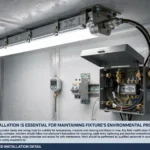
The safety of a downlight installation depends not only on the fitting but on the quality of its electrical installation. Correct cabling, secure connections, appropriate circuit protection, and compliance with the wiring regulations are all essential to a safe installation. Quality fittings with well designed terminal connections and clear installation instructions support correct installation, but the competence of the installing contractor remains critical.
For commercial projects, specifying fittings that are straightforward to install correctly reduces the risk of installation errors that compromise safety. Driver accessibility, clear polarity marking, and robust terminal design all contribute to installations that are safe at handover and remain so across the building life. The integrity of the electrical installation is a shared responsibility of the specification and the installation.
Glare, Comfort and Visual Safety
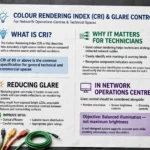
Safety extends beyond electrical and fire considerations to the visual environment a downlight creates. Poorly designed downlights with exposed bright sources cause glare that, in circulation areas and on staircases, is a genuine safety concern as well as a comfort one. Quality commercial downlights use deep set or anti glare optics that control the brightness reaching the eye, delivering light to the floor without the discomfort and visual hazard of glare.
In hospitality and commercial environments, this glare control also serves the experience, presenting the space and its contents well without visual discomfort. Specifying downlights with appropriate optical control ensures the lighting is both safe and comfortable, supporting safe movement through the building while creating the environment the development requires.
Emergency Provision and Escape Lighting
Commercial buildings in the UAE must provide maintained emergency lighting along escape routes, and downlights play a role in this life safety system. Emergency downlights with self contained battery backup provide maintained illumination on mains failure, guiding occupants to safety while integrating cleanly into the ceiling design. Coordinating which downlight positions require emergency provision satisfies civil defence requirements and ensures the escape lighting is delivered correctly.
The ongoing compliance obligations of emergency lighting, periodic testing and documentation, fall to the facility management team across the building life. Specifying quality emergency fittings with reliable battery systems reduces the burden of this compliance and the risk of test failures, supporting the continued life safety performance of the building.

Material Quality and Longevity
The materials from which a downlight is constructed affect both its safety and its longevity. Quality fittings use robust housings, reliable drivers, and components rated for their operating environment, delivering safe, consistent performance across a long service life. Budget fittings constructed from inferior materials may fail prematurely, deliver inconsistent performance, or in the worst cases create safety risks as components degrade.
For commercial buildings, where replacing failed fittings across large installations is costly and disruptive, the durability that quality materials provide is both a safety and an economic advantage. Specifying fittings from a recognised manufacturer, supplied with genuine warranty and full documentation, protects against the risks and costs that inferior products carry.
Application Across Commercial and Hospitality Buildings
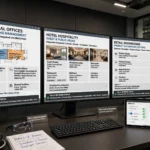
Downlights serve a remarkable range of commercial and hospitality applications, each with its own safety considerations. In hotel guest rooms and bathrooms, IP rated fittings provide safe illumination in the presence of moisture. In commercial offices, fire rated fittings preserve ceiling compartmentation. In commercial environments, glare controlled fittings present merchandise safely and attractively. In healthcare facilities, high quality fittings support clinical environments.
Across all these applications, matching the downlight specification to the safety requirements of the environment is essential. Understanding the requirements of each space, and specifying the appropriate fitting for each, is what delivers a downlight installation that serves the building safely across its full range of environments and uses.
Documentation for Authority Submission
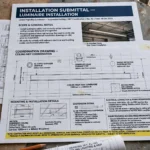
Demonstrating downlight safety to the satisfaction of UAE authorities requires documentation, and a knowledgeable supplier provides it. DEWA approval certificates, CE declarations of conformity, fire rating certificates, IP rating confirmation, and photometric data together evidence that the specified fittings satisfy the safety and performance requirements of the building. This documentation supports authority submission and protects against the objections and delays that incomplete evidence can cause.
As an authorised OPPLE distributor, Tricircle supplies commercial and hospitality projects across the UAE with certified downlights complete with this documentation. We support developers, consultants, and contractors with the evidence their submissions require, ensuring the safety and compliance of the downlight installation is demonstrable as well as real.
Safety Across the Product Lifecycle
Downlight safety is not established once at installation but maintained across the product lifecycle. Quality fittings deliver consistent, safe performance for years, while degrading components in inferior products can develop safety issues over time. Specifying durable, quality fittings from recognised manufacturers ensures the installation remains safe across its service life, not merely at handover.
Periodic inspection and maintenance, particularly of emergency fittings and their batteries, maintains the safety performance of the installation over time. A downlight installation specified and maintained with attention to safety serves the building reliably across its full life.
A Checklist for Safe Downlight Specification
Specifying safe downlights for a UAE commercial project follows a clear checklist. Confirm DEWA approval and CE and RoHS certification. Identify where fire rated fittings are required and specify them. Match the IP rating to each environment. Confirm thermal validation for high ambient operation. Coordinate emergency provision for escape routes. And source from a recognised manufacturer with complete documentation.
Following this checklist ensures the safety and compliance dimensions of the downlight specification are addressed systematically rather than left to chance. It is the discipline that delivers an installation that is safe, compliant, and demonstrable to the authorities that govern UAE commercial building.
Specify Safe, Compliant Downlights With Tricircle
If you are specifying recessed downlights for a commercial or hospitality project anywhere in the UAE, our commercial team can help you select fittings that satisfy the safety, fire, ingress protection, and thermal requirements of each environment, supplied with the certification and documentation your submission requires. We provide certified OPPLE downlights in project quantities across Dubai, Sharjah, Abu Dhabi, and the wider Emirates.
To discuss downlight safety and specification for your project, or to request product recommendations and compliance documentation, contact our team at aysha@tricirclegroup.ae or call +971 50 578 1325. We will help you deliver a downlight installation that is safe, compliant, and built to perform across its full service life.