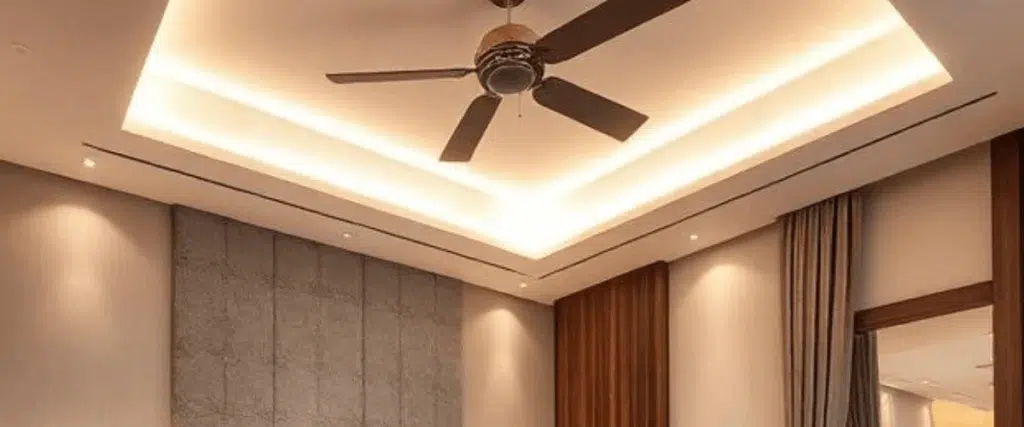
Lighting the Heart of the Guest Experience
The guest room is where the hospitality experience is most intimately felt, and its lighting profoundly shapes the comfort, atmosphere, and satisfaction of the guest. For hotel developers and serviced apartment operators across the UAE, the specification of guest room lighting balances multiple requirements, atmosphere, function, comfort, and efficiency, across the many rooms of the development. This guide examines LED lighting for hotel guest rooms and serviced apartments across the Emirates.
It explores the lighting of the guest room, the requirements of its different areas, and the considerations in specifying it, supporting the developers and operators who create the guest rooms that distinguish UAE hospitality.
Ambient Lighting for Comfort
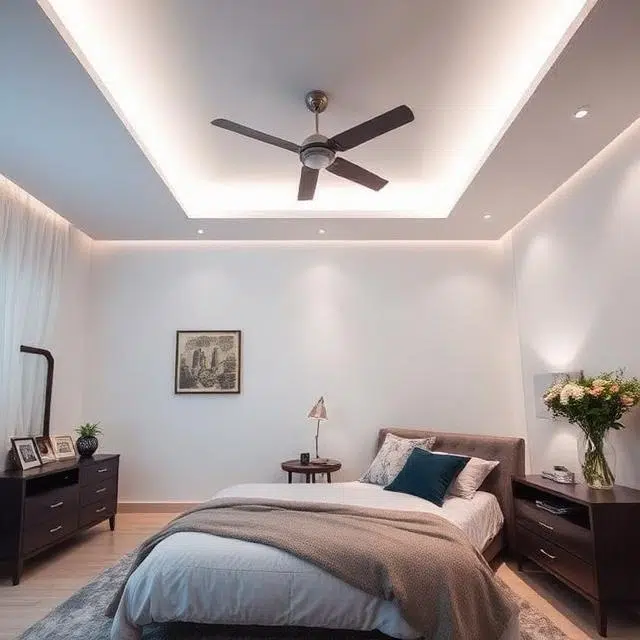
The ambient lighting of the guest room creates the comfortable, restful environment that guests seek, delivered through warm, dimmable illumination from ceiling fixtures and concealed sources. The warm ambient light, adjustable to suit the moment, creates the homely, relaxing environment that distinguishes a quality guest room. Specifying warm, dimmable ambient lighting creates the comfortable environment the guest room requires.
Specifying warm, dimmable ambient lighting for guest rooms creates the comfortable, restful environment guests seek. The warm light, adjustable to suit the moment, delivers the homely, relaxing atmosphere that distinguishes a quality guest room, supporting the guest comfort that drives satisfaction across UAE hotels and serviced apartments, delivered through LED downlights for hotel guest rooms.
Task Lighting for Function
The guest room requires task lighting for the activities guests perform, reading, working, and grooming, delivered through bedside, desk, and bathroom lighting. The task lighting must provide adequate illumination for the activity without disrupting the restful ambient environment. Specifying appropriate task lighting for the guest room activities supports the function of the room alongside its restful atmosphere.
Specifying task lighting for the guest room activities supports their function alongside the comfortable atmosphere. The bedside reading lights, the desk task lighting, and the bathroom lighting that support the guest activities deliver the function the room requires, balanced with the restful ambient environment, across the guest rooms of UAE hospitality.
Bedside and Reading Lighting
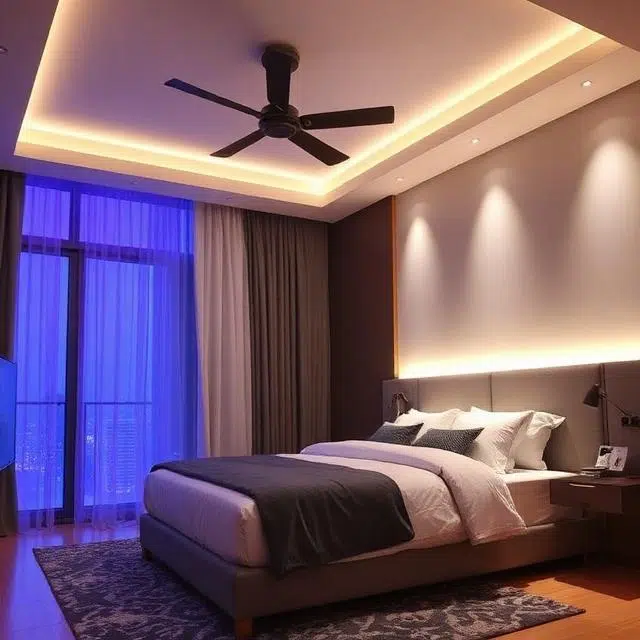
The bedside lighting, supporting reading and providing convenient control, is among the most appreciated elements of guest room lighting. Individual bedside reading lights with convenient switching allow guests to read without disturbing a companion, a detail that significantly affects guest satisfaction. Specifying quality bedside reading lighting with convenient control delivers this appreciated guest room function.
Specifying quality bedside reading lighting delivers an appreciated guest room function. The individual reading lights with convenient switching that allow reading without disturbance address a detail that affects guest satisfaction, a small but significant element of the guest room lighting across UAE hotels and serviced apartments.
Bathroom Lighting Quality
The bathroom lighting, particularly the mirror lighting, is closely scrutinised by guests and significantly affects their experience. Flattering, shadow free mirror lighting with high colour rendering supports grooming and presents the guest attractively, while appropriately rated fixtures ensure safety in the wet environment. Specifying quality bathroom lighting delivers the flattering, safe illumination that guests value in the bathroom.
Specifying quality bathroom and mirror lighting delivers the flattering, safe illumination guests value. The shadow free, high rendering mirror lighting that supports grooming and presents the guest attractively, with appropriately rated fixtures for safety, addresses the closely scrutinised bathroom lighting across the guest rooms of UAE hospitality.
Atmosphere and Scene Setting
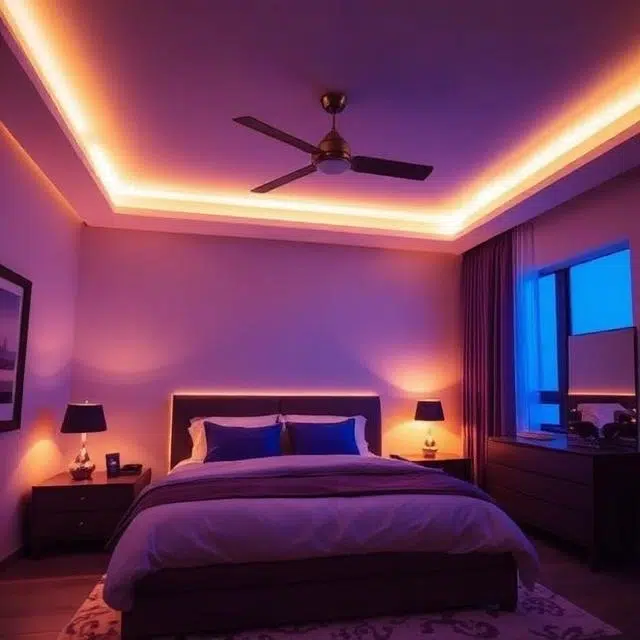
Premium guest rooms increasingly offer atmosphere and scene setting, allowing guests to adjust the lighting to suit their preference and activity. Scene control, recalling preset lighting environments, allows the guest to create the atmosphere they prefer at the touch of a control, a premium amenity that enhances the guest experience. Specifying scene setting for premium guest rooms delivers this enhanced guest experience.
Specifying scene setting for premium guest rooms delivers an enhanced guest experience. The scene control that allows guests to create their preferred atmosphere at the touch of a control provides a premium amenity, enhancing the guest experience in the premium guest rooms of UAE hospitality, complemented by LED ceiling lamps for hotel rooms.
Serviced Apartment Considerations
Serviced apartments combine hospitality quality with residential durability, and their lighting must serve both. The lighting must deliver the hospitality comfort and atmosphere while enduring the long term residential use that serviced apartments involve. Specifying lighting for serviced apartments balances the hospitality quality with the residential durability, delivering both the comfort and the longevity these developments require.
Specifying lighting for serviced apartments balances hospitality quality with residential durability. The lighting that delivers the hospitality comfort and atmosphere while enduring long term residential use serves the serviced apartment, combining the qualities of hospitality and residential lighting across these developments in the UAE.
Consistency Across the Inventory
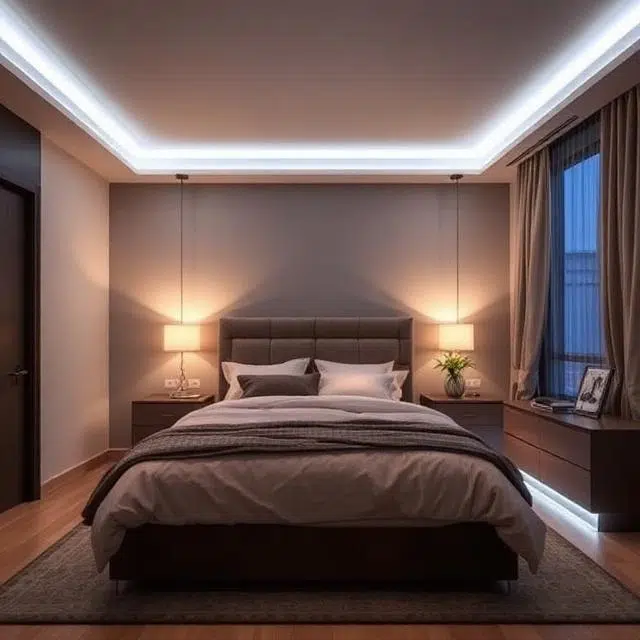
The guest room lighting must present consistently across the many rooms of the development, with uniform quality and colour across the inventory. Consistency in the lighting ensures every room presents to the same standard, an important consideration across the hundreds of rooms a hotel may contain. Specifying consistent lighting with uniform colour ensures every guest room presents to the intended standard across the inventory.
Specifying consistent guest room lighting ensures uniform presentation across the inventory. The consistent quality and colour across the many rooms ensure every room presents to the same standard, an important consideration across the hundreds of rooms of the development, delivered through consistent lighting across the guest room inventory in the UAE.
Energy Management Across Rooms
The energy consumed by guest room lighting across the many rooms of a development is a significant operating cost, and energy management reduces it. Occupancy based control that manages the lighting according to room occupancy, switching off unoccupied rooms, delivers savings across the inventory. Specifying energy management for guest room lighting reduces the operating cost across the many rooms of the development.
Specifying energy management for guest room lighting reduces the operating cost across the inventory. The occupancy based control that manages the lighting according to room occupancy delivers savings across the many rooms, an important economy across the hundreds of rooms of the hospitality development, reducing the energy cost of the guest room lighting in the UAE.
Durability and Maintenance
The guest room lighting must endure long term use with minimal maintenance, given the many fixtures and the disruption of maintaining occupied rooms. Quality, durable fixtures deliver long, reliable service that minimises the maintenance across the inventory, an important benefit given the many rooms and the cost of maintaining them. Specifying durable fixtures reduces the maintenance burden across the guest room inventory.
Specifying durable guest room lighting reduces the maintenance burden across the inventory. The reliable fixtures that endure long term use minimise the maintenance interventions, a significant benefit given the many rooms and the disruption of maintaining occupied rooms across the hospitality development in the UAE.
Smart Room Integration
Premium developments integrate the guest room lighting with smart room management systems, enabling guest control and operator management through integrated systems. The smart integration allows guests to control their lighting through panels and applications, while the operator manages energy across the inventory. Specifying smart compatible guest room lighting supports this integration that premium developments increasingly offer.
Specifying smart compatible guest room lighting supports the integration premium developments offer. The lighting integrated with the smart room management, enabling guest control and operator management, delivers the connected experience and the energy management that premium hospitality developments pursue across the guest rooms in the UAE.
Balancing the Requirements
Specifying guest room lighting balances the requirements of atmosphere, function, comfort, consistency, efficiency, and durability across the many rooms of the development. This balance, delivering the comfortable atmosphere and the function while ensuring consistency, efficiency, and durability, produces the quality guest room lighting that hospitality requires. Specifying to balance these requirements delivers the guest room lighting the development requires.
Specifying guest room lighting to balance the requirements delivers the quality the development requires. The comfortable atmosphere, the function, the consistency, the efficiency, and the durability, balanced across the many rooms, produce the quality guest room lighting that distinguishes the hospitality experience across UAE hotels and serviced apartments.
Guest Room Lighting From Tricircle
Delivering guest room lighting for hotels and serviced apartments requires quality products that balance atmosphere, function, and durability across the inventory. As an authorised OPPLE distributor, Tricircle supplies quality guest room lighting across UAE hospitality developments, supporting developers and operators in creating the comfortable, quality guest rooms that distinguish their properties.
To discuss guest room lighting for your hospitality development, contact our team at aysha@tricirclegroup.ae or call +971 50 578 1325. We supply quality hospitality lighting in project quantities across Dubai, Sharjah, Abu Dhabi, and the wider Emirates.