
Underwater LED strip lights have transformed the way modern swimming pools are designed and experienced. Beyond simple illumination, these lighting systems create ambiance, enhance safety, and elevate the overall aesthetic of residential and commercial pools. Whether it’s a luxury villa pool or a hotel infinity edge, underwater LED strip lighting delivers both functional and visual value.
This comprehensive guide explains everything you need to know about underwater LED strip lights for pools,
from design and installation to safety, durability, and long-term performance.
What Are Underwater LED Strip Lights?
Underwater LED strip lights are flexible lighting systems specifically designed to operate safely beneath water surfaces. Unlike regular LED strips, these are fully sealed, waterproof, and built to withstand constant exposure to water, chemicals, and varying temperatures.
They are typically installed along pool edges, steps, walls, or even inside water features to create a continuous glow. Their flexibility allows designers to highlight curves, corners, and architectural details that traditional lighting cannot achieve.
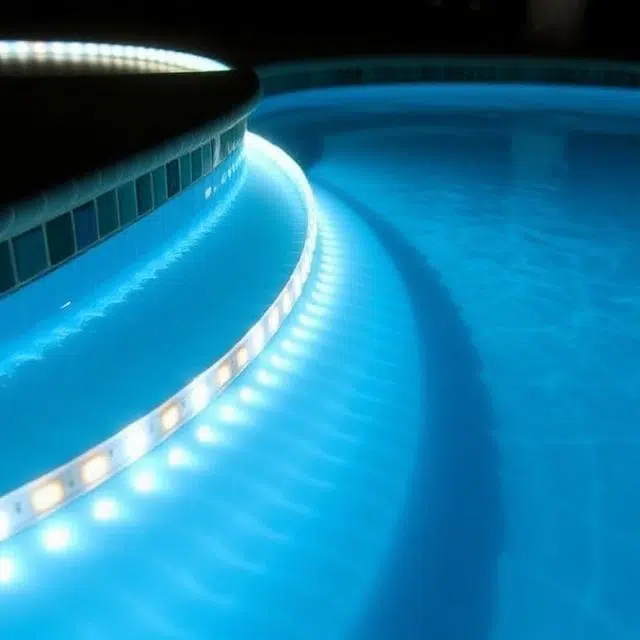
Why Underwater LED Strip Lights Are Essential for Pools
Modern pool design is not just about structure—it’s about experience. Lighting plays a crucial role in creating that experience.
Underwater LED strip lights enhance visibility, making swimming safer at night. They define pool boundaries clearly, reducing the risk of accidents. At the same time, they create a relaxing and luxurious environment, especially when paired with color-changing effects.
For homeowners and developers looking for innovative solutions, working with a professional Led strip supplier in sharjah ensures access to high-quality, waterproof lighting systems designed for long-term use.
Key Features of Underwater LED Strip Lights
Waterproof Protection (IP68 Rating)
The most critical feature of underwater LED strip lights is their waterproof rating. High-quality strips come with an IP68 rating, meaning they are fully protected against continuous water immersion.
This ensures durability and safety, especially in chlorinated or saltwater pools.
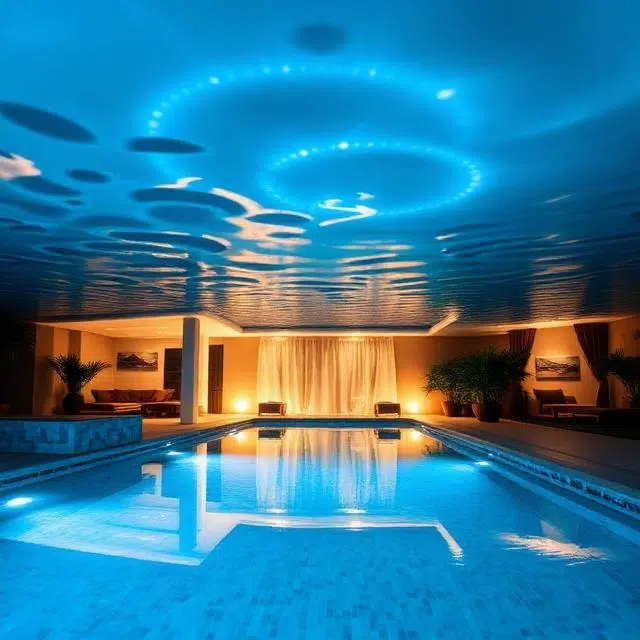
Flexibility and Design Versatility
LED strip lights are highly flexible, allowing installation in curved and irregular pool shapes. This makes them ideal for:
- Infinity pools
- Freeform pools
- Steps and edges
- Waterfalls and fountains
Their adaptability gives designers complete creative freedom.
Energy Efficiency
LED technology consumes significantly less power compared to traditional pool lighting systems. This reduces electricity costs while maintaining high brightness levels.
Additionally, LED lights generate less heat, making them safer for underwater use.
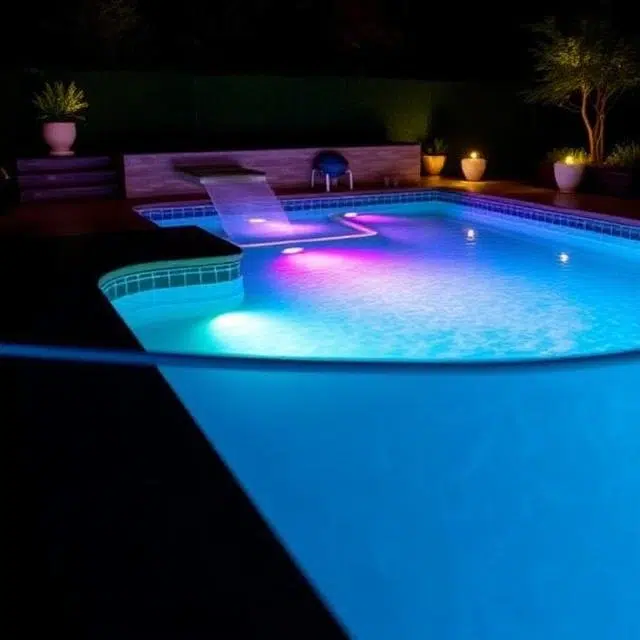
Colour-Changing Options (RGB & RGBW)
Many underwater LED strips come with RGB or RGBW technology, allowing users to switch between multiple colors. This feature is perfect for:
- Mood lighting
- Pool parties
- Luxury ambiance
With remote or smart control systems, users can easily customize lighting effects.
Types of Underwater LED Strip Lights
Single Color LED Strips
These provide consistent lighting in one color, usually white or warm white. They are ideal for clean, modern pool designs where simplicity is preferred.
RGB LED Strip Lights
RGB strips allow multiple color options, creating dynamic lighting effects. They are commonly used in entertainment spaces and high-end residential pools.
RGBW LED Strip Lights
These include an additional white LED, offering both vibrant colors and pure white lighting. This combination provides better brightness and versatility.
Installation Considerations
Installing underwater LED strip lights requires precision and expertise. It is not a simple DIY task, especially when dealing with water and electricity.
Proper Sealing and Housing
LED strips must be installed in waterproof channels or profiles. These protect the strips from direct water exposure and physical damage.
Low Voltage Systems
Most underwater LED systems operate on low voltage (12V or 24V) to ensure safety. Transformers are used to convert standard electrical supply into safe operating voltage.
Cable Protection
All wiring must be properly insulated and routed through waterproof conduits. This prevents electrical hazards and ensures long-term performance.
Professional Installation
Working with experienced professionals ensures that the system is installed correctly and complies with safety standards. This reduces risks and increases durability.
Safety Standards for Pool Lighting
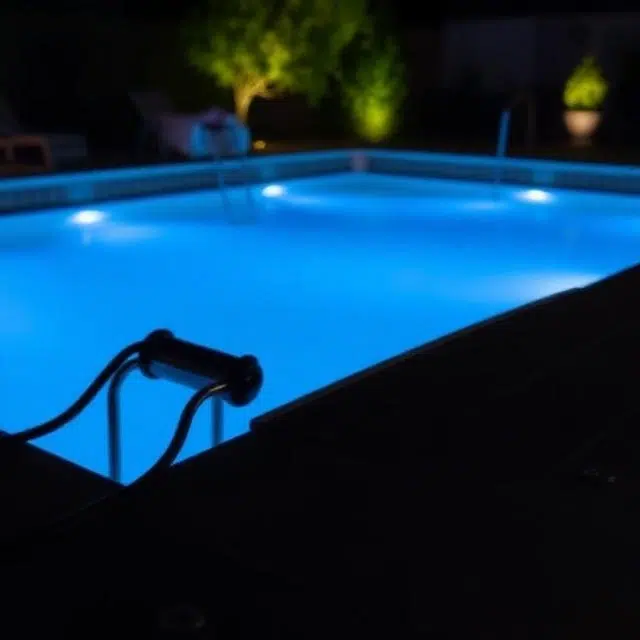
Safety is the most important factor when installing underwater lighting. Poor installation can lead to serious hazards.
Key safety practices include:
- Using certified IP68 waterproof LED strips
- Installing residual current devices (RCDs)
- Ensuring proper grounding and insulation
- Using low-voltage power systems
Compliance with local regulations and international safety standards is essential for any pool lighting project.
Design Ideas Using Underwater LED Strip Lights
Perimeter Lighting
Installing LED strips along the pool edges creates a clean and modern outline. This improves visibility and adds a premium look.
Step Lighting
Illuminating pool steps enhances safety and adds depth to the design. It helps swimmers easily identify entry and exit points.
Accent Lighting
LED strips can highlight unique features such as waterfalls, fountains, or textured walls. This creates a visually dynamic environment.
Color Effects for Mood
Using RGB lighting allows you to switch between relaxing blue tones, vibrant party colors, or warm evening lighting depending on the occasion.
Maintenance and Durability
High-quality underwater LED strip lights are designed for long-term use, but proper maintenance is still important.
Regularly check for:
- Water leakage in fittings
- Damage to protective casing
- Loose connections
Cleaning the pool and maintaining water quality also helps extend the lifespan of the lighting system.
LED lights typically last between 30,000 to 50,000 hours, making them a long-term investment.
Common Mistakes to Avoid
Many pool owners make mistakes that affect performance and safety. These include:
- Using non-waterproof LED strips
- Ignoring proper sealing
- Overloading circuits
- Poor installation practices
Avoiding these mistakes ensures a reliable and safe lighting system.
Cost Considerations
The cost of underwater LED strip lights depends on several factors:
- Length and type of LED strips
- Color features (single vs RGB)
- Installation complexity
- Quality of materials
While premium systems may have a higher initial cost, they offer better durability, performance, and energy savings over time.
Benefits of Choosing High-Quality LED Strip Lights
Investing in high-quality underwater LED strip lights offers multiple advantages:
- Enhanced safety and visibility
- Modern and luxurious appearance
- Energy efficiency and cost savings
- Long lifespan and durability
- Customizable lighting effects
These benefits make LED strip lighting a must-have feature in modern pool design.
Future Trends in Pool Lighting
The future of underwater LED lighting is focused on smart technology and automation. Modern systems now offer:
- App-controlled lighting
- Voice assistant integration
- Dynamic lighting scenes
- Energy monitoring
These innovations are transforming pools into smart, interactive spaces.


