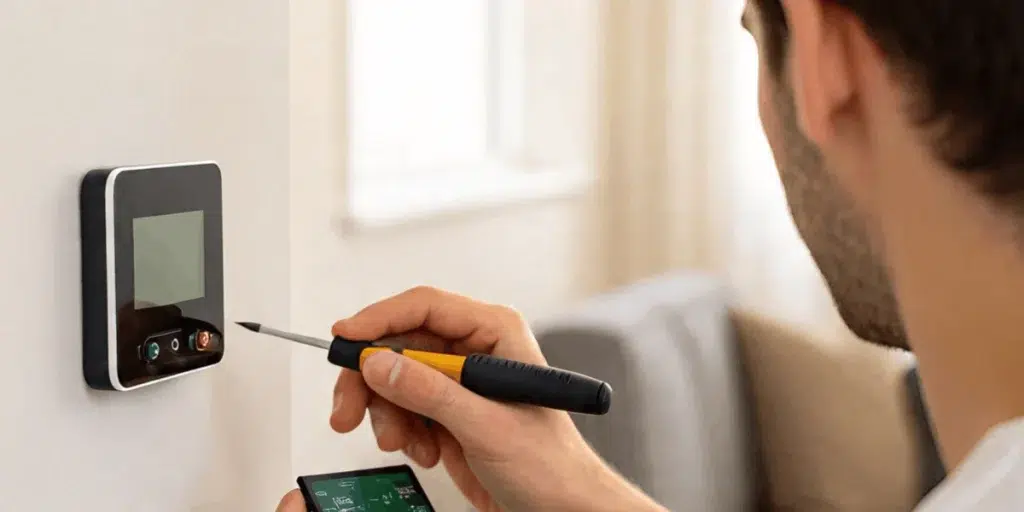
Home automation is no longer a futuristic concept. In Dubai, it has become a practical necessity for villas, apartments, and even small residential units. As technology evolves, homeowners want greater control, security, energy efficiency, and comfort, all from a single system.
If your goal is to rank for smart home automation in Dubai, understanding how home automation works and how long it takes to install is essential. This guide explains the technical foundation, installation process, timelines, costs, challenges, and practical insights based on real-world implementation experience in the UAE market.
What Is Home Automation?
Home automation is a centralised system that connects and controls multiple devices in a property through smart technology. These devices include:
- Lighting systems
- Air conditioning (HVAC)
- Security cameras
- Door locks
- Curtains and blinds
- Audio and video systems
- Sensors and alarms
The system allows homeowners to control everything through:
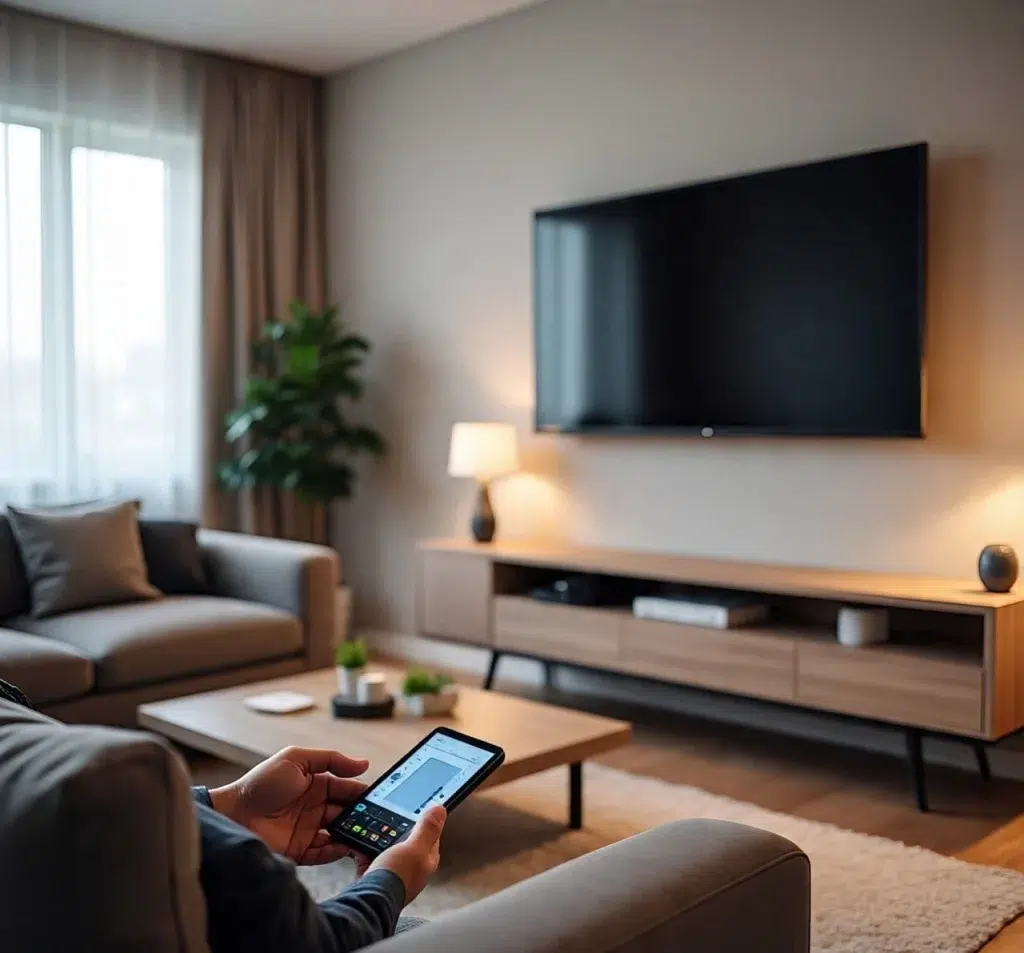
- Mobile applications
- Touch panels
- Voice assistants
- Remote access via internet
In Dubai’s modern residential market, automation is now integrated into both small apartments and big luxury villas, offering both affordable and premium configurations.
How Home Automation Actually Works
To understand home automation properly, we need to break it into four core layers:
- Control System (Brain)
- Communication Protocol
- Devices and Actuators
- User Interface
1. The Control System (Central Controller)
The controller acts as the brain of the system. It processes commands and communicates with connected devices.
When you press “Movie Mode” on your phone:
- Lights dim
- Curtains close
- AC adjusts
- TV turns on
All these actions happen because the controller sends synchronized commands to each device.
2. Communication Protocols
Devices communicate using wired or wireless protocols.
Wired Systems
- KNX
- Bus cable systems
These are common in premium villas in Dubai because they are highly reliable and stable.
Wireless Systems
- Zigbee
- Z-Wave
- Wi-Fi
- Bluetooth
Wireless systems are ideal for:
- Apartments
- Renovation projects
- Affordable upgrades
Wireless systems reduce installation time significantly.
3. Smart Devices and Sensors
These include:
- Smart switches
- Motion sensors
- Temperature sensors
- Smart locks
- Smart thermostats
- Smart relays
Each device collects data or performs actions based on commands.
For example:
A motion sensor detects movement → controller activates hallway lights.
4. User Interface
This is how homeowners interact with the system:
- Smartphone apps
- Wall-mounted touch panels
- Voice control (Alexa, Google Assistant)
- Remote cloud access
Dubai homeowners increasingly demand modern, clean, minimal interfaces that match luxury interiors.
Core Components of a Smart Home System
To build topical authority in smart home automation, you must understand all core entities:
Smart Lighting Automation
Lighting automation includes:
- Dimming control
- Scene settings
- Motion-based activation
- Daylight sensors
- Scheduling
Benefits:
- Energy savings
- Comfort
- Enhanced interior aesthetics
In Dubai villas, lighting scenes are commonly programmed for:
- Guest mode
- Night mode
- Party mode
- Vacation mode
HVAC Automation
Smart climate control integrates:
- Thermostats
- Temperature sensors
- Smart AC controllers
Benefits:
- Reduced electricity bills
- Optimized cooling cycles
- Remote monitoring
Given Dubai’s hot climate, HVAC automation is one of the most requested systems.
Security and Surveillance
Home automation integrates:
- CCTV cameras
- Smart doorbells
- Motion detectors
- Smart locks
- Alarm systems
Homeowners receive real-time alerts and can monitor properties remotely.
Smart Curtains and Blinds
Motorized curtains are integrated with:
- Time schedules
- Sunlight sensors
- Voice commands
This adds both comfort and luxury appeal.
Audio and Video Integration
Multi-room audio systems allow:
- Music streaming
- Zone control
- Centralized entertainment
Luxury properties often integrate home theaters into automation systems.
Types of Home Automation Systems in Dubai
1. Fully Wired Systems (Ideal for New Construction)
Best for:
- Big villas
- Premium projects
- Long-term investment
Advantages:
- Maximum reliability
- Stable connectivity
- High scalability
Installation time: Longer due to structured cabling.
2. Wireless Systems (Retrofit Friendly)
Best for:
- Apartments
- Renovations
- Small properties
Advantages:
- Quick installation
- Affordable solution
- Minimal wall damage
Installation time: Significantly shorter.
How Long Does Home Automation Installation Take?
Installation time depends on:
- Property size
- System complexity
- Wired vs wireless setup
- Number of devices
Installation Timeline Breakdown
1. Consultation & Design (2–5 Days)
- Site visit
- Requirement analysis
- Load calculations
- System design proposal
2. Cabling (For Wired Systems) (5–15 Days)
- Running bus cables
- Panel installation
- Power distribution
Luxury villas require more time.
3. Device Installation (3–10 Days)
- Installing switches
- Mounting sensors
- Configuring controllers
4. Programming & Testing (3–7 Days)
- Scene configuration
- App setup
- User training
- System testing
Average Total Installation Time
| Property Type | Estimated Time |
|---|---|
| Small apartment | 5–10 days |
| Medium villa | 2–4 weeks |
| Large luxury villa | 4–8 weeks |
Wireless systems reduce this timeline significantly.
Common Installation Challenges in Dubai
1. Retrofitting in Finished Homes
Challenge:
- Avoid damaging walls
Solution:
- Wireless smart systems
2. Integration With Existing Electrical Systems
Older properties may require upgrades.
3. Internet Stability
Smart systems rely on stable Wi-Fi.
Professional configuration solves most issues.
Cost Factors in Home Automation
Costs depend on:
- Number of automation points
- System brand
- Wired vs wireless
- Custom programming
- Integration complexity
Affordable Home Automation
Suitable for:
- Apartments
- Small properties
Includes:
- Smart lighting
- AC control
- Basic security
Premium Smart Home Automation
Suitable for:
- Luxury villas
- Large properties
Includes:
- Full lighting control
- HVAC integration
- Security systems
- Motorized curtains
- Multi-room audio
- Custom scenes
Benefits of Smart Home Automation in Dubai
1. Energy Efficiency
Reduces electricity consumption.
2. Security
24/7 monitoring improves safety.
3. Convenience
Control everything from one app.
4. Property Value Increase
Smart homes have higher resale value.
Future of Home Automation in Dubai
Dubai is moving toward:
- AI-powered smart homes
- IoT integration
- Energy monitoring dashboards
- Voice-first interfaces
- Sustainable smart systems
Government smart city initiatives support digital transformation.
Why Professional Installation Matters
DIY automation often causes:
- Device conflicts
- Network overload
- Security vulnerabilities
Professional integrators ensure:
- Clean wiring
- Proper configuration
- Long-term reliability
Working with a trusted home automation company in Dubai ensures compliance, safety, and scalable system design.
Maintenance and After-Sales Support
Maintenance includes:
- Software updates
- Device health monitoring
- System diagnostics
- Replacement services
Annual maintenance contracts are common in Dubai.
Key Mistakes to Avoid
- Choosing cheap devices without support
- Ignoring future scalability
- Overloading Wi-Fi networks
- Poor integration planning
- Skipping professional consultation